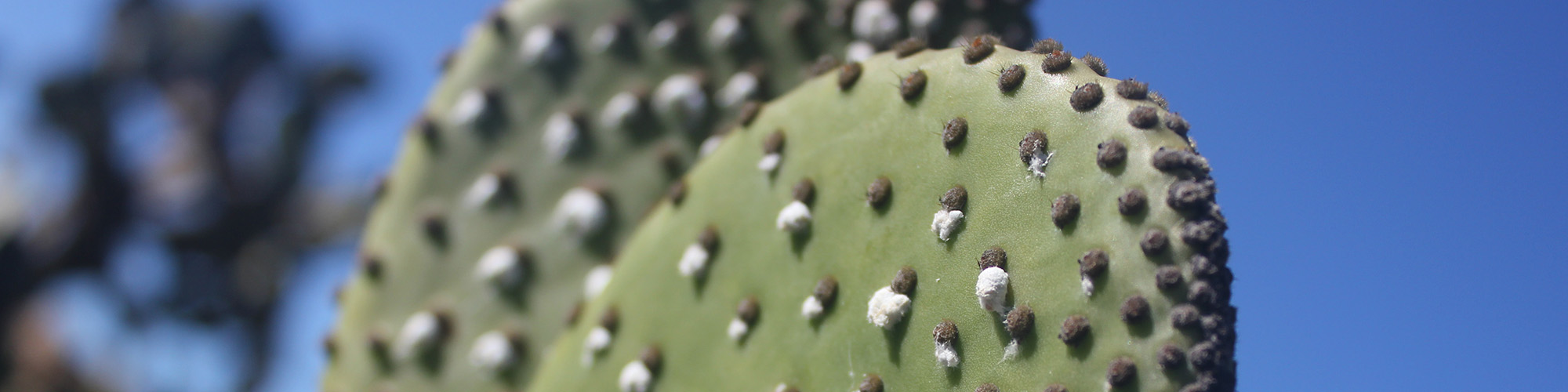

Biological control, or biocontrol, is where a living organism is used to control or manage another living organism. In weed management, insects or plant pathogens that parasitise a plant and reduce its growth are the most common forms of biocontrol. Grazing by herbivores is also a form of biocontrol, but it is less targeted and generally problematic so is it uncommon for managing natural environments.
How does biocontrol work?
Plants are not usually weedy in their native range because they are part of a balanced ecosystem, where the plants 'natural enemies' have evolved to feed or develop on them, and keep the population in check. When plants are introduced into new environments without the factors that keep them in check (i.e. their natural enemies), they can grow and spread without restriction—often becoming serious weeds. Invasive weed species can thrive outside of their native range, due in part to the lack of 'natural enemies' keeping their population in check.
Biocontrol reunites an invasive weed with a 'natural enemy' organism—called the biocontrol agent—and over time, the weed becomes less dominant in the environment. A biocontrol agent must first undergo rigorous risk analysis testing to ensure that it is host-specific to the target weed species. Only once it is deemed host-specific and not a risk to native species, can it be released into the Australian environment as a biocontrol agent. Read about biocontrol research from CSIRO, or about biocontrol protocols from the Department of Agriculture, Fisheries and Forestry.
Once a biocontrol agent is approved for release, it will undergo a program of mass-rearing and release trials. After release and the successful establishment at a release site, the agents can be redistributed or allowed to spread naturally. Not all biocontrol agents become successful. Some weeds require several biocontrol agents for different parts of the plant to achieve meaningful control. Some biocontrol agents simply fail to establish due to poor acclimatisation or because they get predated upon.
Types of biocontrol for weeds
The two types of organisms most commonly employed as biocontrol agents for weeds are insects and fungi.
Insects
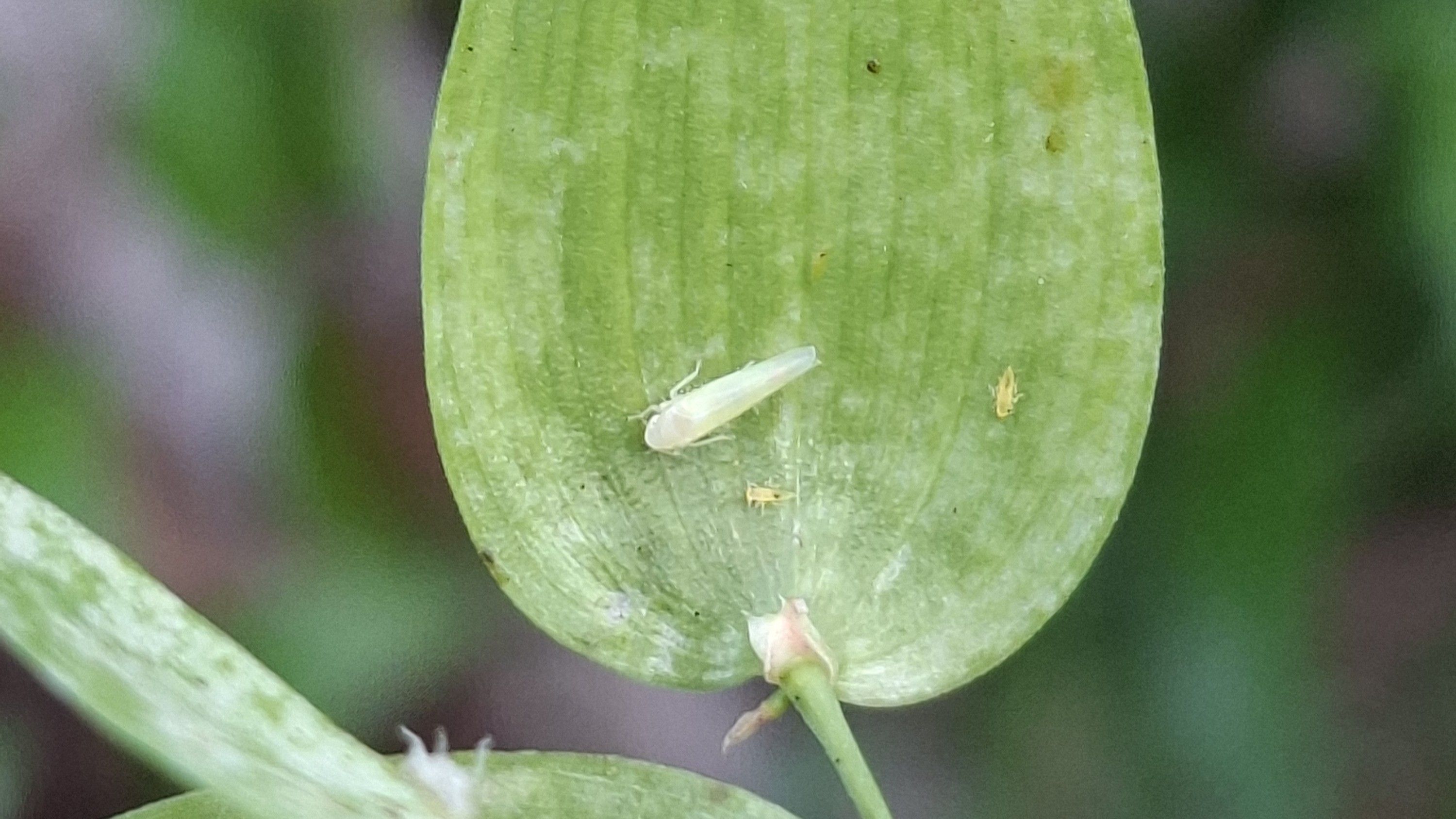
Most biocontrol agents are insects that feed on part of parts of the target weed. There are several insect groups that are commonly used for biocontrol, including beetles (Coleoptera), moths and butterflies (Lepidoptera), true bugs (Hemiptera), thrips (Thysanoptera), and flies (Diptera).
Fungi
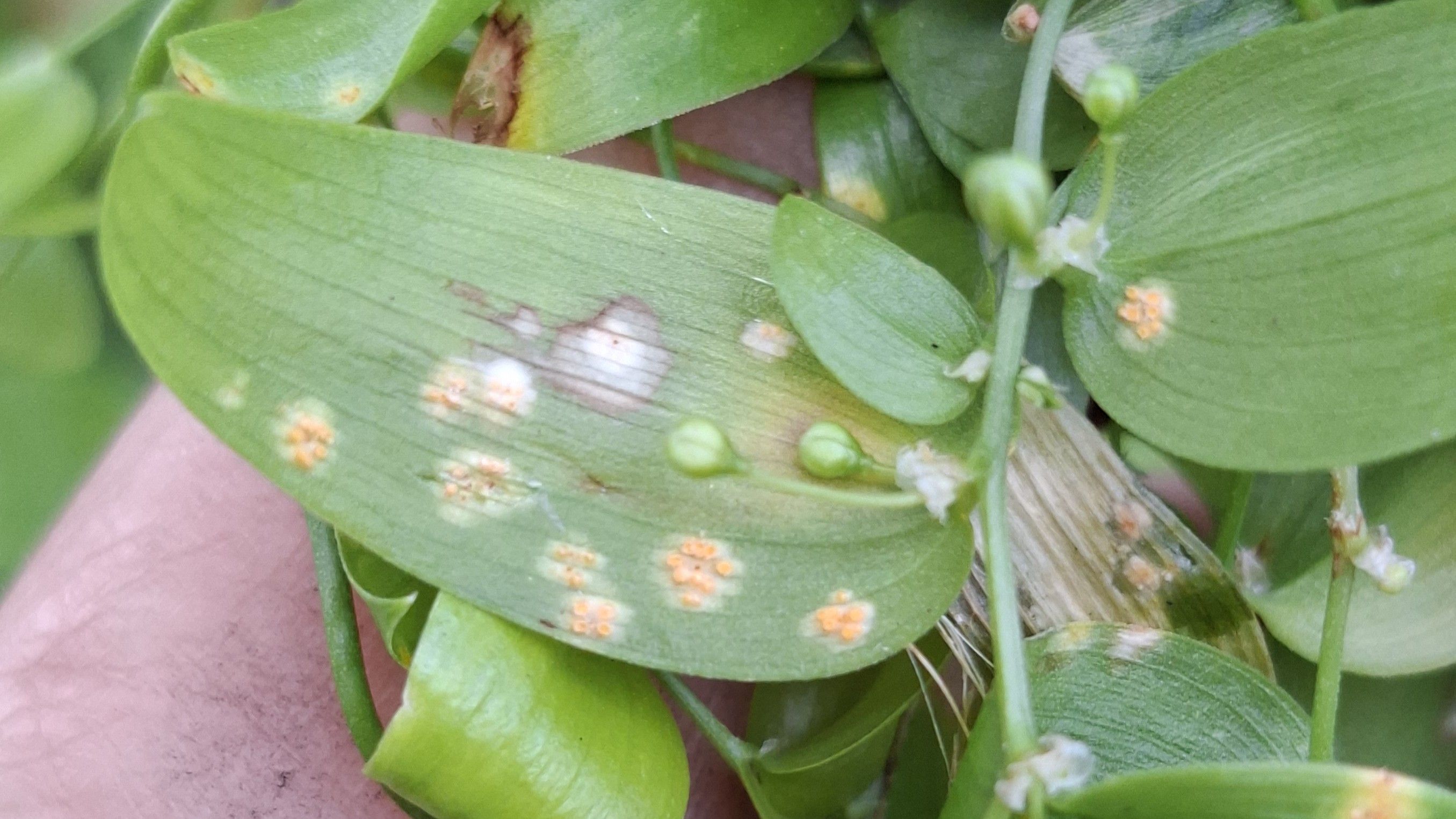
Plant-pathogenic fungi—those that cause disease in plants—are also commonly employed for weed biocontrol. Rust fungi (mostly Pucciniomycetes) are obligate parasites and typically host-specific, making them suitable for biocontrol.
Does biocontrol eradicate the target weed?
No, biocontrol can reduce the size, vigour, and competitiveness of weed infestations, but will not eliminate the population. It's not in a biocontrol agents' best interest to eradicate its host plant!
The extent of damage that a biocontrol agent has depends on how well the organism establishes in the environment and on the target weed. For example, rust fungi typically require a warm moist environment to have an effective impact.
Biocontrol is a useful tool against widespread weed infestations. It helps reduce the weed population and curb spread, resulting in a more manageable problem. Biocontrol is best used as part of a long-term integrated weed management plan (IWMP).
What weeds can be managed by biocontrol in Western Australia?
Biocontrol is mostly available for agricultural weeds, but a small number of weeds that affect bushland have been part of a biocontrol program. Recent programs include biocontrols that target Sea Spurge (Euphorbia paralias) and African Boxthorn (Lycium ferocissimum), both of which employ a species of foliar rust fungus.
View our handy list summarising WA's weed biocontrol agents: Biocontrol Agents for Weeds in Western Australia (link opens pdf)
Why aren't more weeds subject to biocontrol?
Biological control is a major investment in weed management and requires a long-term commitment. The process begins with exploration in the weed’s native range to identify potential natural enemies, often requiring multiple overseas expeditions over several seasons. Preliminary host-specificity testing is typically conducted in collaboration with research institutions in the country of origin.
Promising agents must then undergo extensive testing under stringent quarantine conditions in Australia to confirm their safety and assess potential risks to non-target species. Only after this work is completed can a comprehensive risk assessment be prepared and considered for approval.
The research and regulatory process is complex, time-consuming and inherently unpredictable. It can take many years to identify a suitable agent, demonstrate its safety, and obtain approval for release. As a result, governments and funding partners must be prepared to invest over the long term, as a decade or more may pass between initial exploration and the eventual release of a biological control agent. For many weed species, the cost, technical challenges and short-term funding makes biocontrol program difficult to resource.