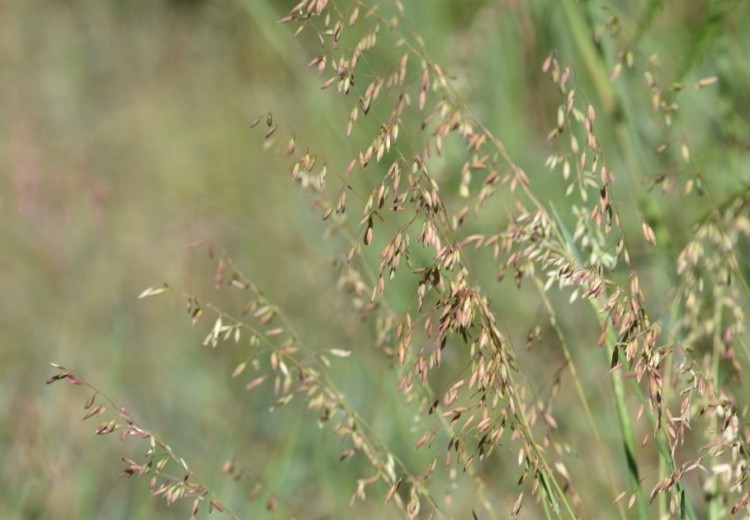

The grass weeds as a group, particularly the South African perennial species, are a serious threat to bushland around Perth. In terms of number of individuals, biomass, area covered and diversity of habitat, grasses are one of the most successful plant families in the world. And yes, grasses all hail from the single plant family—Poaceae!
Over 800 species of grass occur within Western Australia, yet more than a quarter of those are alien (not native)! Many of these are considered weeds of bushland. Some of the serious invasive grasses of the Swan Coastal Plain and Jarrah Forest include African Lovegrass (Eragrostis curvula), Perennial Veldt grass (Ehrharta calycina), Tambookie Grass (Hyparrhenia hirta), Kikuyu (Pennisetum clandestinum), Fountain Grass (Pennisetum setaceum).
Introduced grasses are competitive in many native ecosystems; they may displace the native understorey and alter fire regimes. The impact a particular grass species has is partly determined by the characteristics of the invaded site (i.e. how disturbed or degraded the site is, and how susceptible the ecosystem is).
Grasses often colonise disturbed edges or patches within bushland. This edge colonisation allows the grass to take advantage of any disturbance event within the bushland, establishing rapidly after fire, clearing or soil disturbances. Many grasses use the disturbance caused by bushfire to get a foothold within bushland areas. In turn, grass invasions increase fuel loads which indirectly impact on the native ecosystem by changing fire frequency, intensity, patchiness, size and timing.