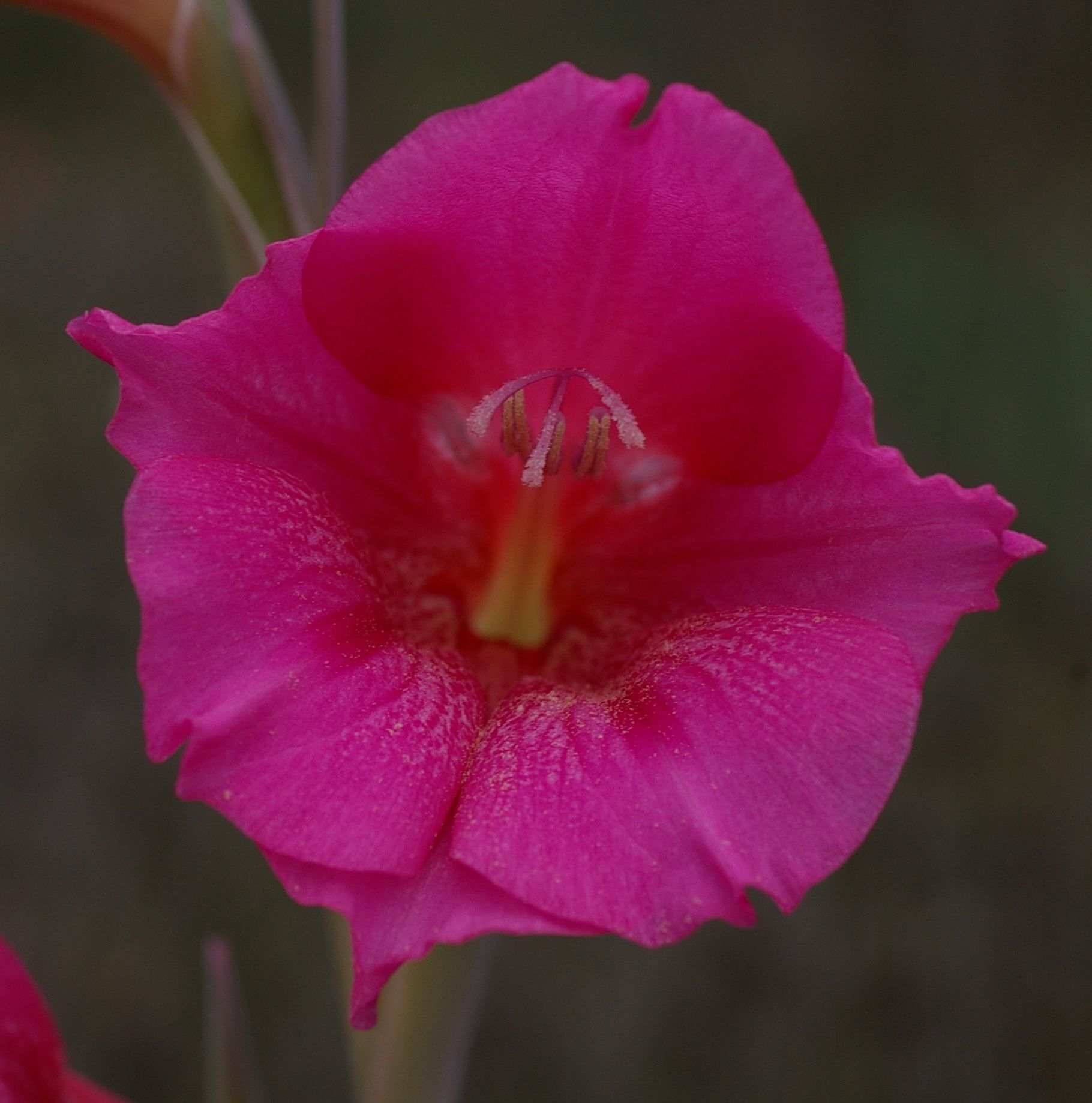
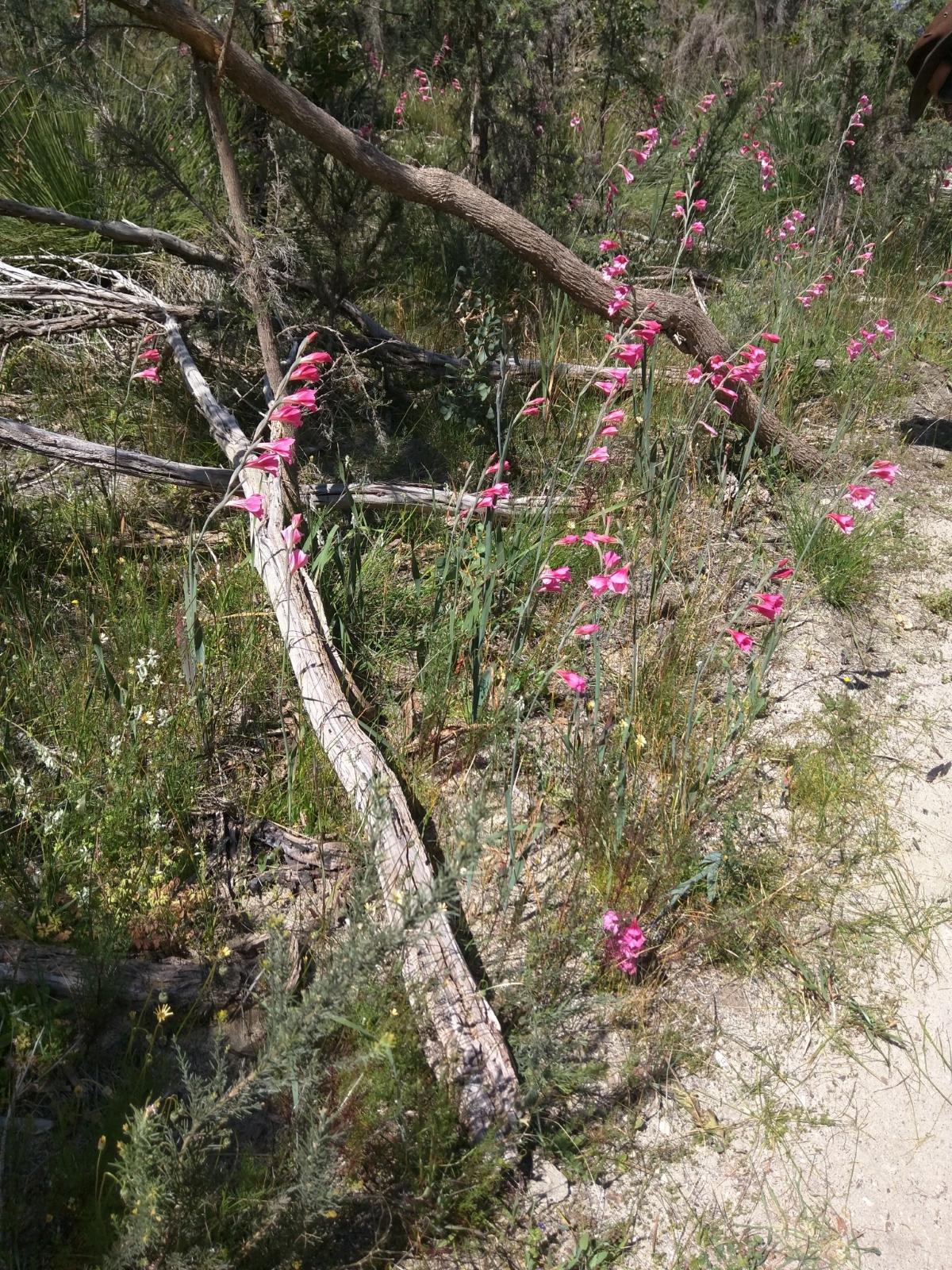
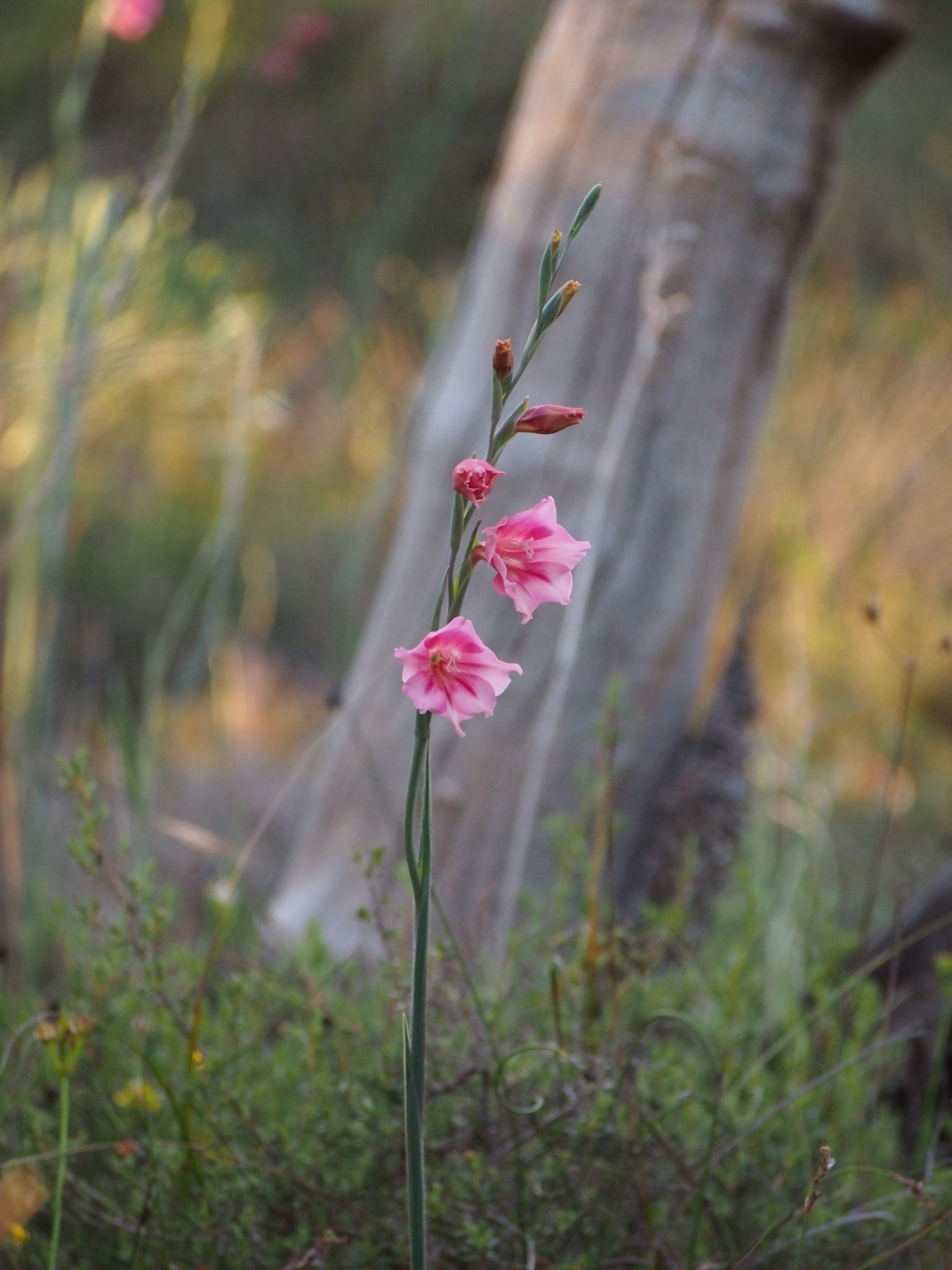
Other common names: Pink gladiolus, pink gladdies, pink trumpet flower, or Pink Afrikaner (South African name)
Synonyms: Antholyza caryophyllacea
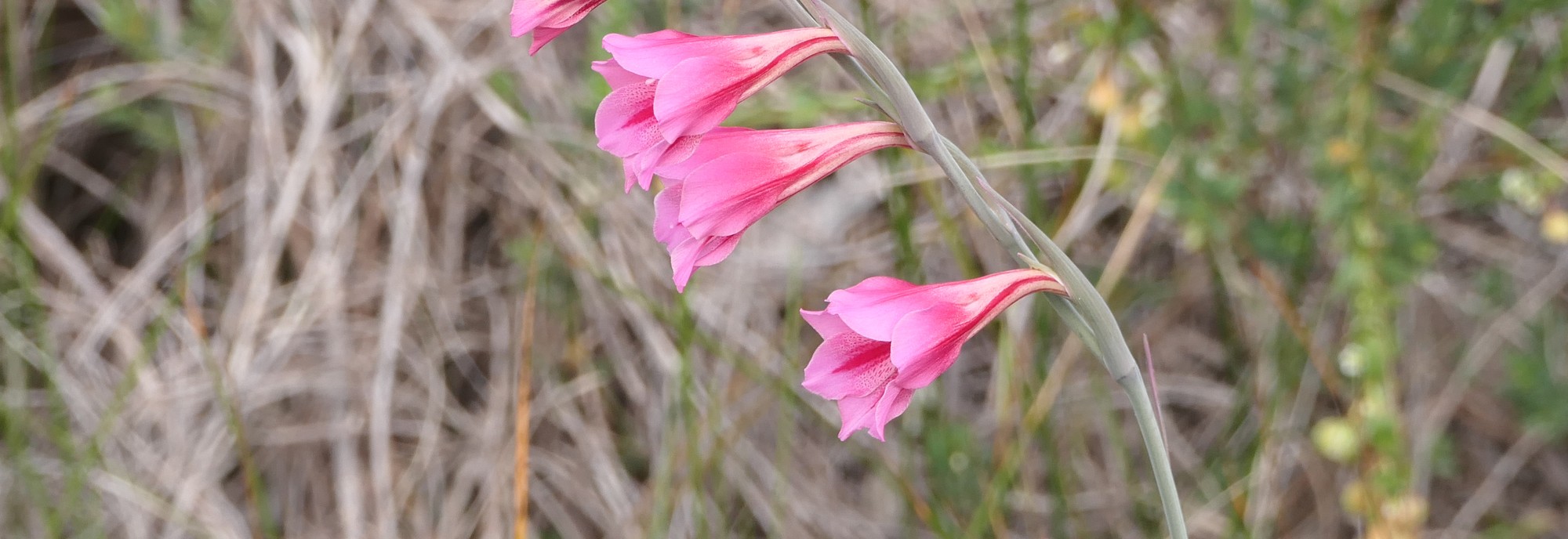

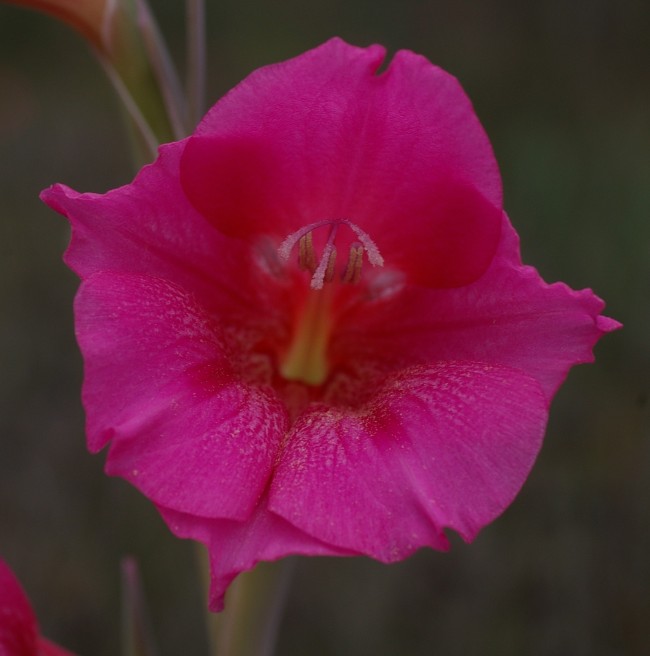
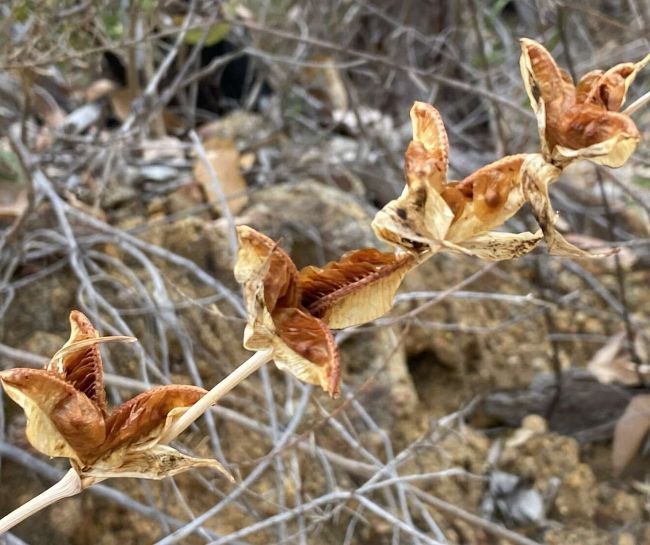
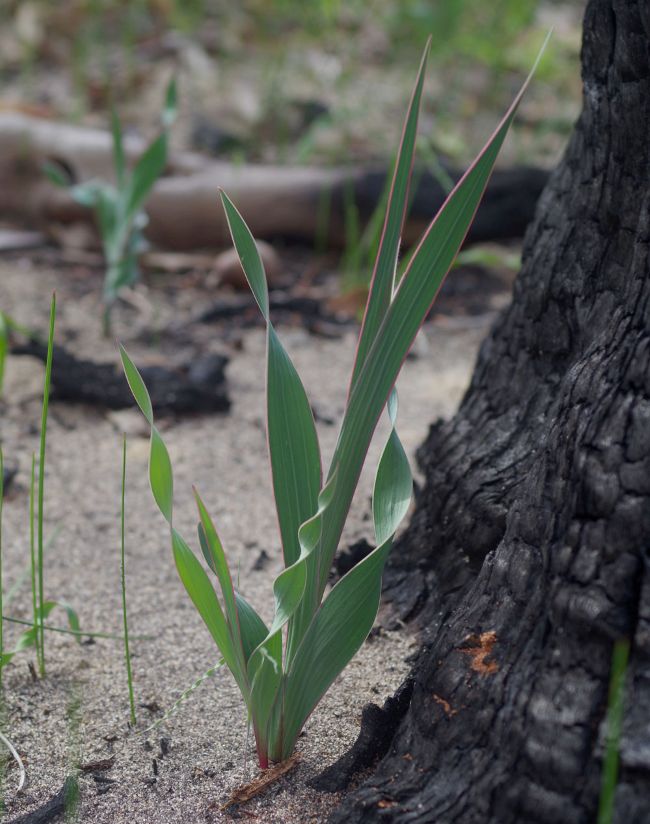
Gladiolus caryophyllaceus


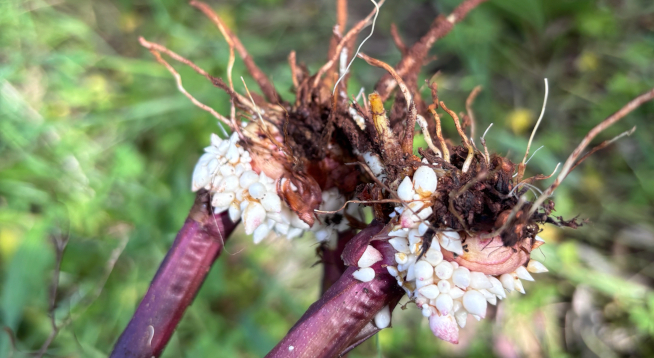
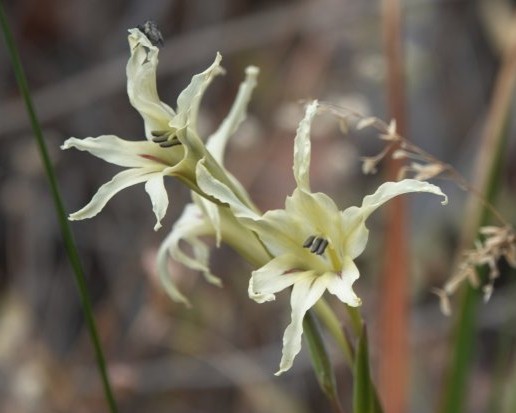
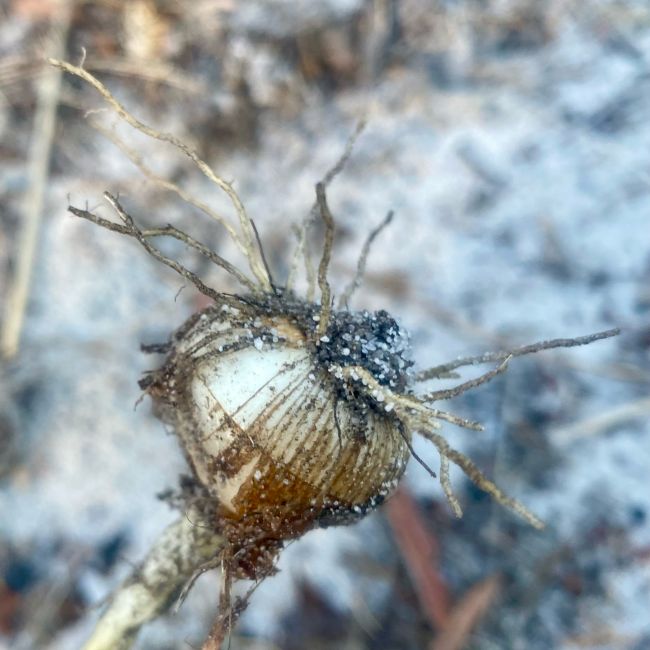
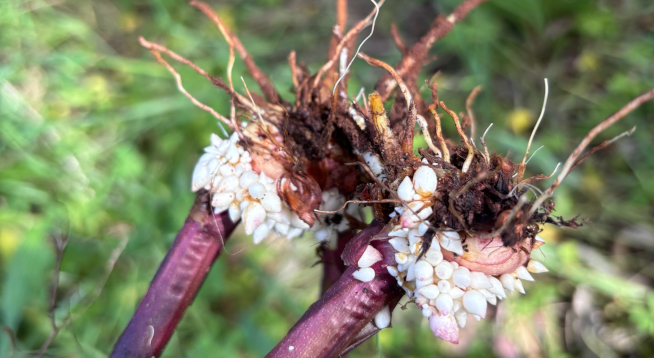
For small infestations or individual plants, manual removal can be carried out when plants are actively growing and easily visible. Ensure the entire corm is removed, as fragments left in the soil may resprout. Flowers, seeds and cormels should all be removed and securely bagged to prevent spread during disposal.
Tips for pulling gladi: Grab plant from the base and wiggle to loosen the soil. Gently pull plant up, continuing to wiggle. The aim is to pull the entire plant with all corm material intact. The parent corm desiccates as the daughter corm grows and will more readily detach as it exhausts.
For smaller infestations or individual plants, wipe the leaves using a sponge or wick soaked in a mix of 1L glyphosate (450g/L) and 2L of water, ensuring all the foliage is covered.
For dense infestations, using a foliar application method (e.g. tank and pump spray or backpack sprayer), apply a mix of 100mL glyphosate (450g/L) and 100mL of a surfactant with 10L of water, just on flowering at corm exhaustion.
For populations surrounded by natives, spot spray the foliage of the plants with a mix of 1.25g metsulfuron (600g/kg) and 100mL of a surfactant with 10L of water.
Death of mature corms can stimulate germination of smaller bulbs; follow‑up treatment will be required in the following season and is likely to be needed over the following seasons.
Replant native shrub species if necessary. Avoid roadworks that carry new cormels into the area. Start control at the top of the catchment to stop cormels transported in water reinfesting treated areas.
LSID number: [2898292] | full LSID: [https://id.biodiversity.org.au/node/apni/2898292] | field_lsid: [] | taxon: [Gladiolus caryophyllaceus]
ALA Reference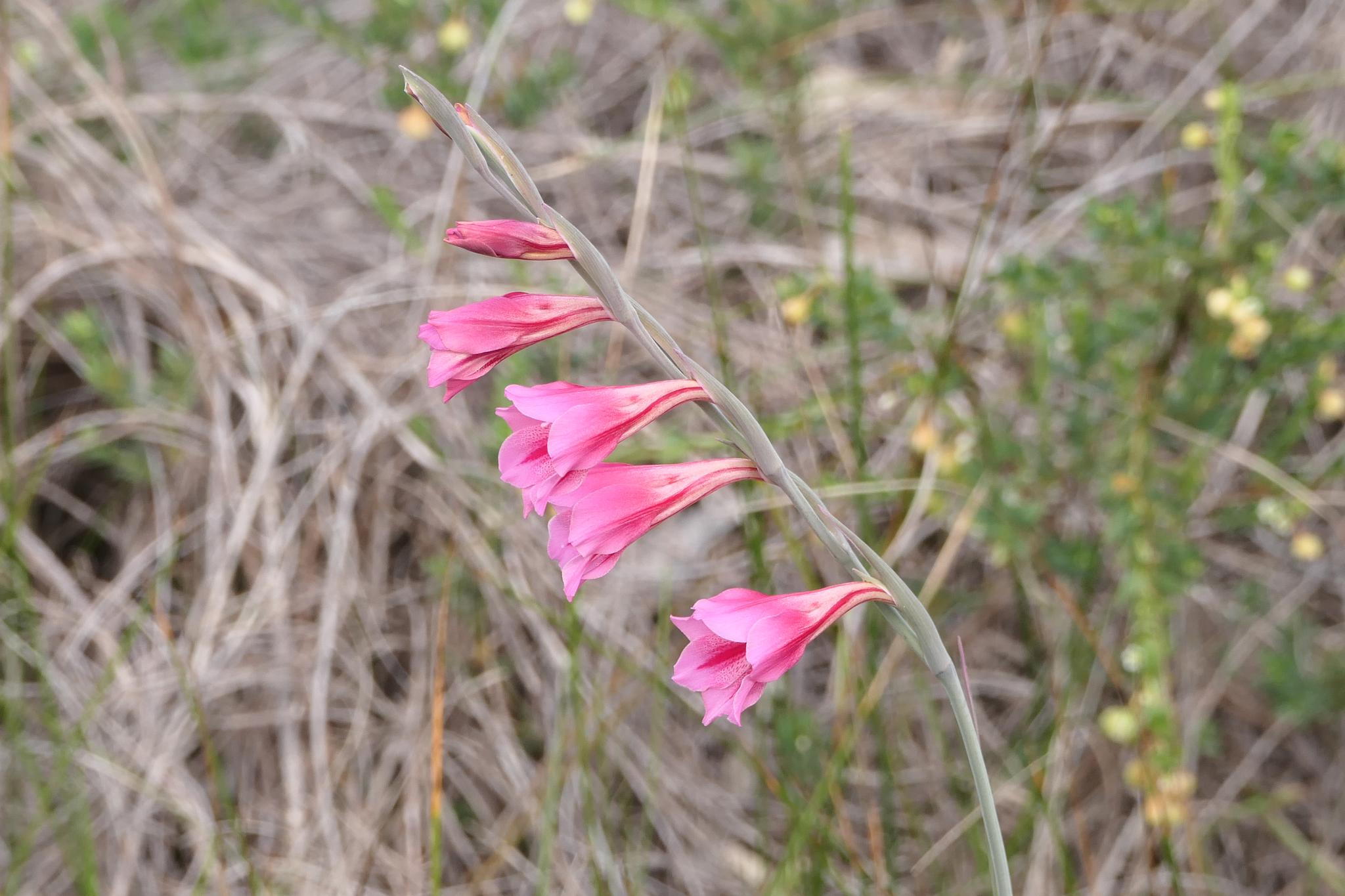
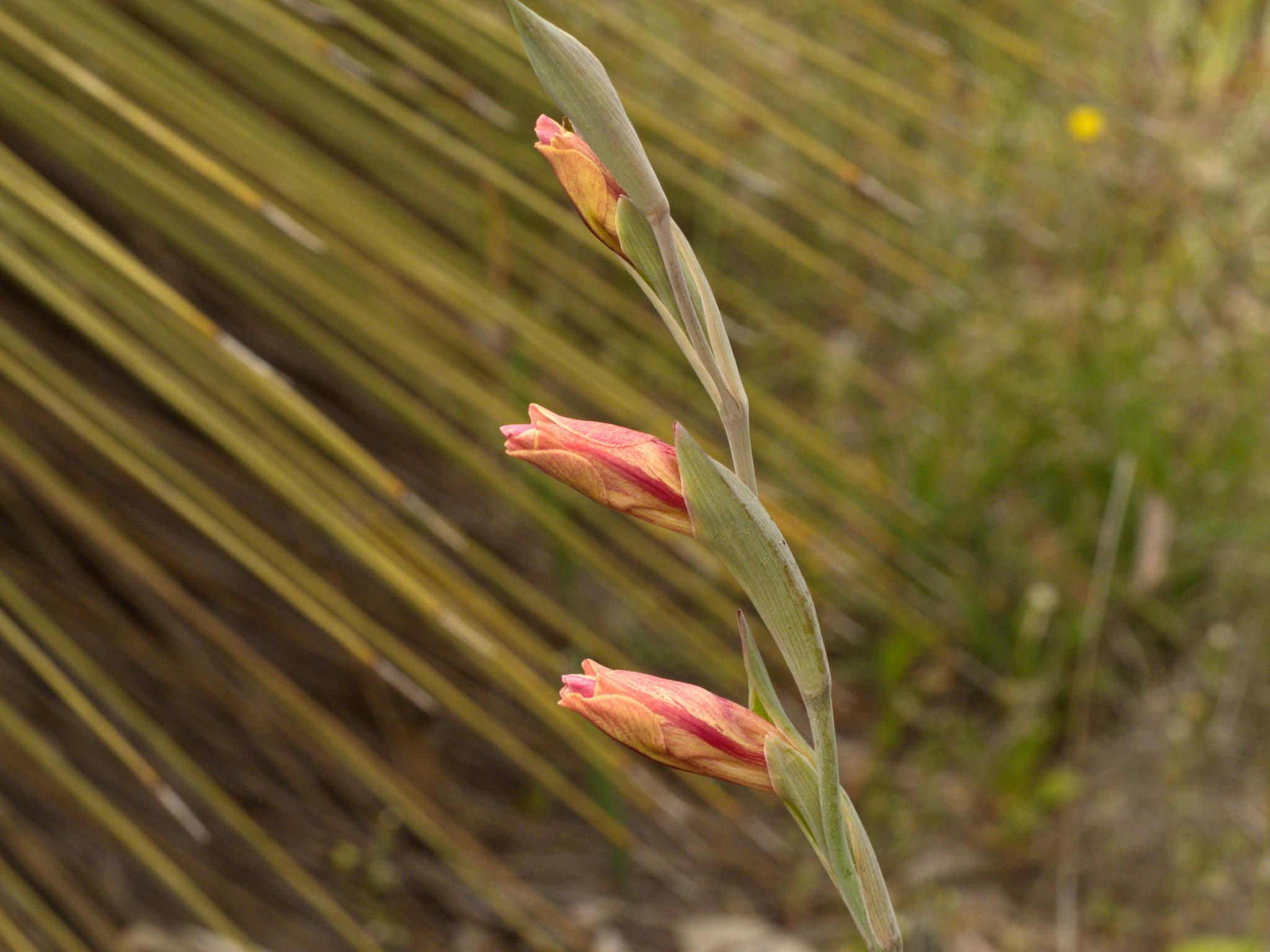
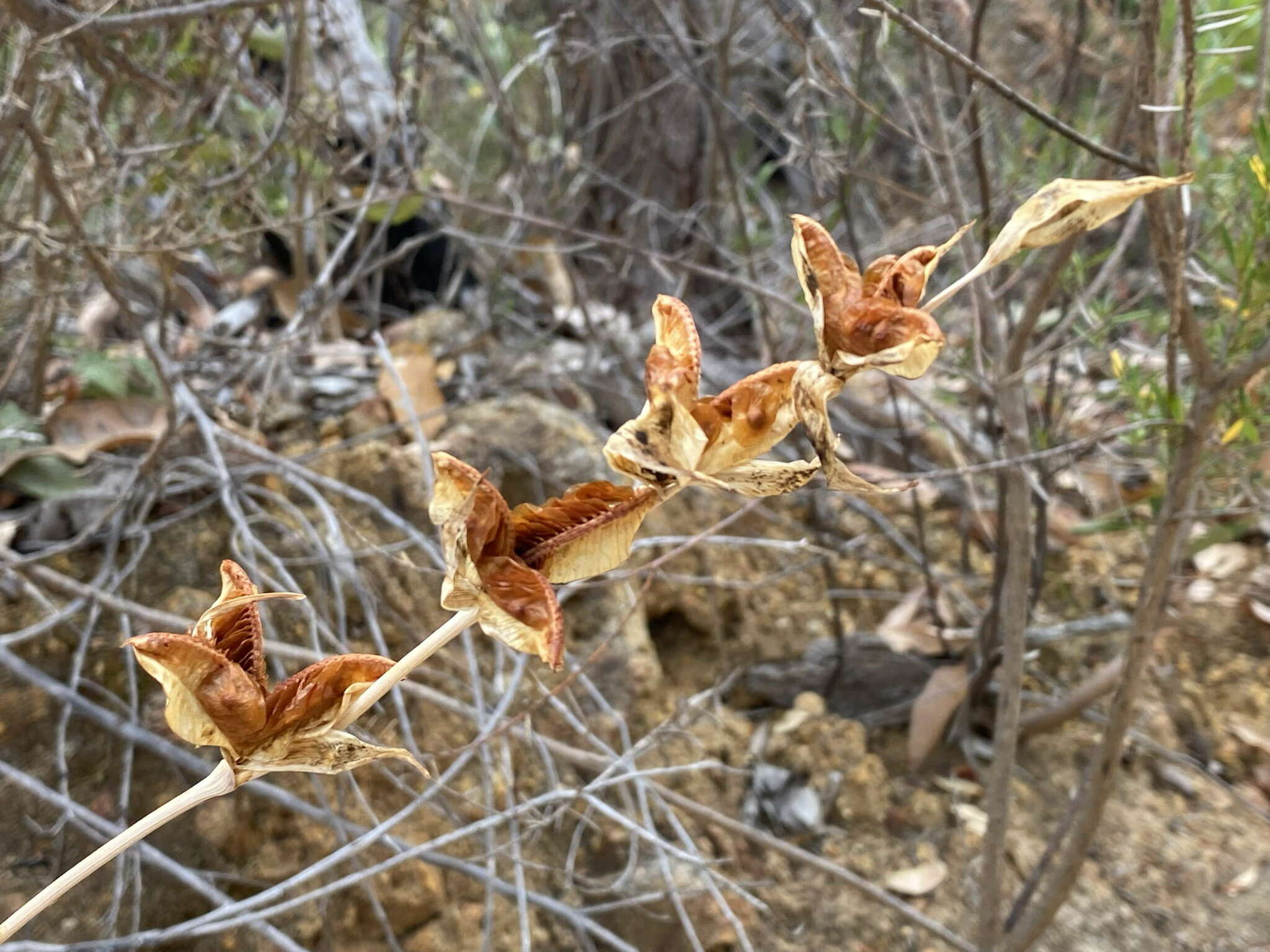
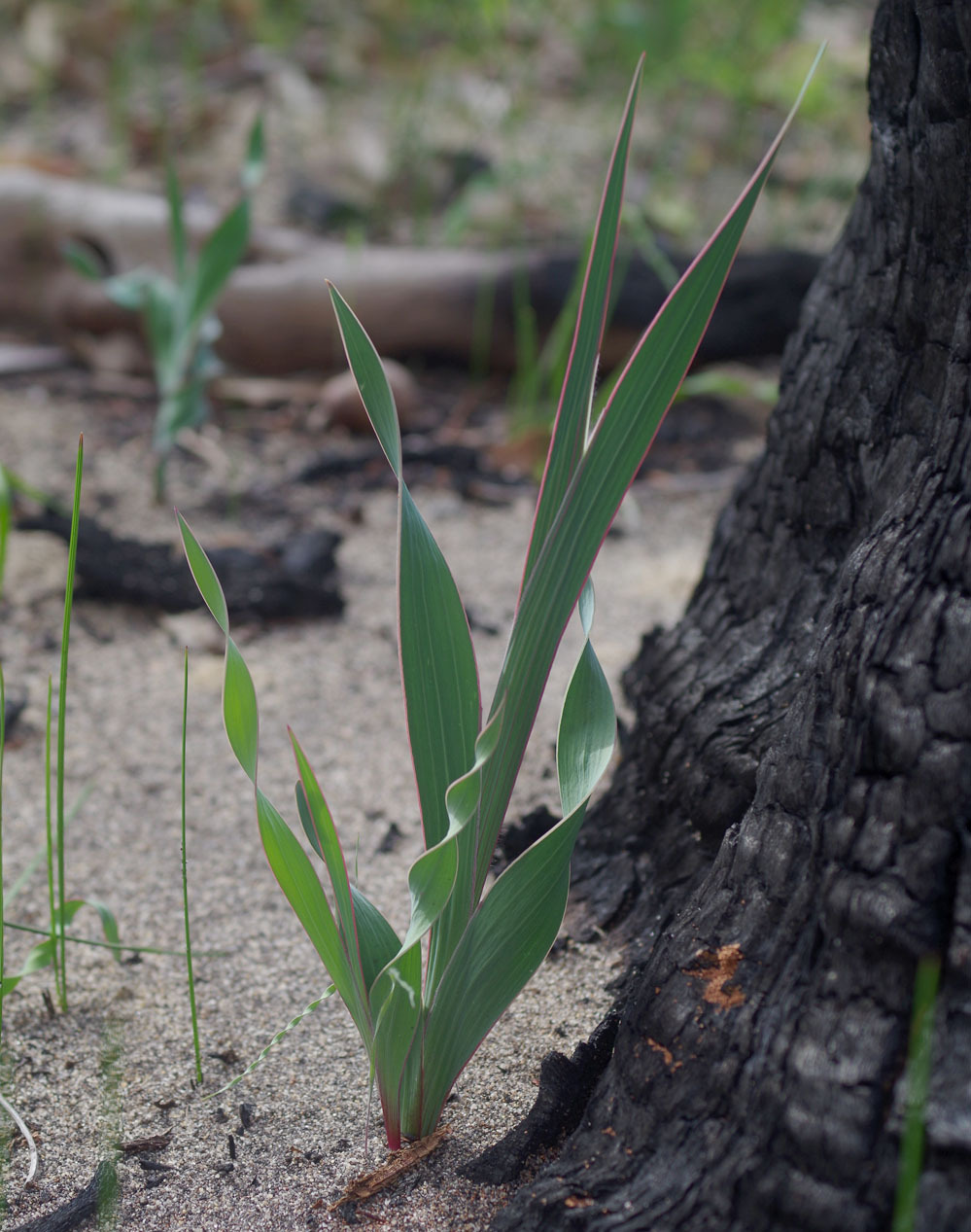
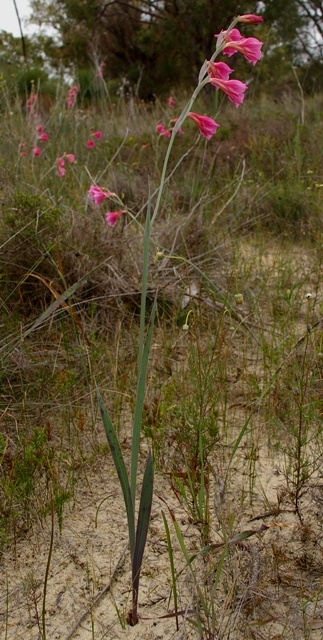
 Atlas of Living Australia
Gladiolus caryophyllaceus (Burm.f.) Poir.
Biosecurity Queensland
Environmental Weeds of Australia: Gladiolus caryophyllaceus. Lucid key fact sheet.
Duncan, G. (2013)
Gladiolus caryophyllaceus. South African National Biodiversity Institute.
Moore, J., & Wheeler, J. (2008)
Southern weeds and their control. Department of Agriculture and Food, Western Australia.
Shire of Mundaring
Removing Bulbous Weeds.
Shire of Mundaring (2019)
Priority Weeds and Control Options.
Shire of Serpentine Jarrahdale (2018)
Weed and Pest Management Plan.
Urban Bushland Council WA
Pink Gladiolus or Wild Gladiolus.
Western Australian Herbarium (1998–)
Florabase—the Western Australian flora. Department of Biodiversity, Conservation and Attractions.
Atlas of Living Australia
Gladiolus caryophyllaceus (Burm.f.) Poir.
Biosecurity Queensland
Environmental Weeds of Australia: Gladiolus caryophyllaceus. Lucid key fact sheet.
Duncan, G. (2013)
Gladiolus caryophyllaceus. South African National Biodiversity Institute.
Moore, J., & Wheeler, J. (2008)
Southern weeds and their control. Department of Agriculture and Food, Western Australia.
Shire of Mundaring
Removing Bulbous Weeds.
Shire of Mundaring (2019)
Priority Weeds and Control Options.
Shire of Serpentine Jarrahdale (2018)
Weed and Pest Management Plan.
Urban Bushland Council WA
Pink Gladiolus or Wild Gladiolus.
Western Australian Herbarium (1998–)
Florabase—the Western Australian flora. Department of Biodiversity, Conservation and Attractions.
| JAN | FEB | MAR | APR | MAY | JUN | JUL | AUG | SEP | OCT | NOV | DEC | Notes | |
|---|---|---|---|---|---|---|---|---|---|---|---|---|---|
| Dormant | |||||||||||||
| Active Growth | |||||||||||||
| Flowering | |||||||||||||
| Fruiting |
| JAN | FEB | MAR | APR | MAY | JUN | JUL | AUG | SEP | OCT | NOV | DEC | Notes | |
|---|---|---|---|---|---|---|---|---|---|---|---|---|---|
| Manual removal | |||||||||||||
| Herbicide |
Apply prior to flowering
|


 Permit PER96570 for glyphosate