
Case Study

Hesperantha herbicide trials. Timing is everything.

DBCA trialled two different herbicides at different rates to control hesperantha. While all worked, its timing that’s the key to lasting control.

Image
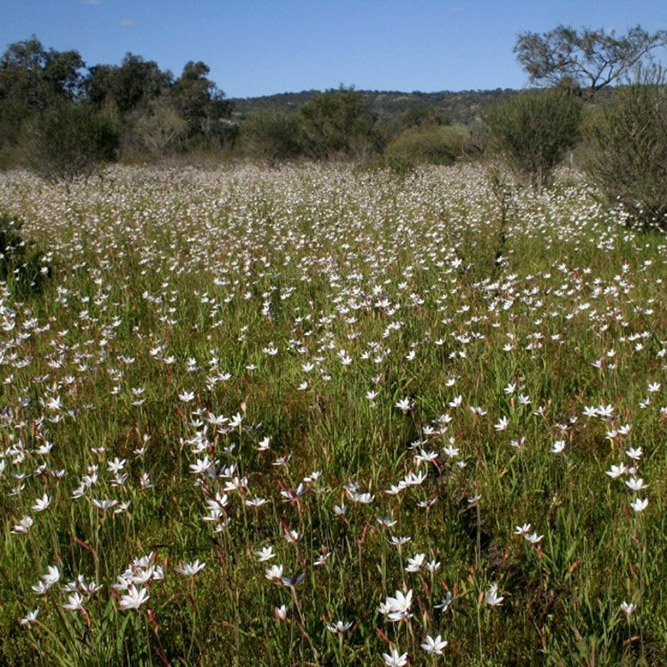
hesperantha falcata

Quick facts

Project Start Date

Project start date2010

Region

RegionTalbot Road Bushland, Swan Region, WA

Lead By

Lead byDBCA

Lead By

AuthorSwan Region

The Problem

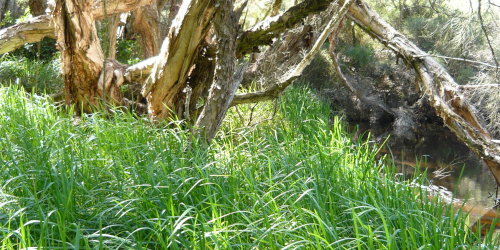
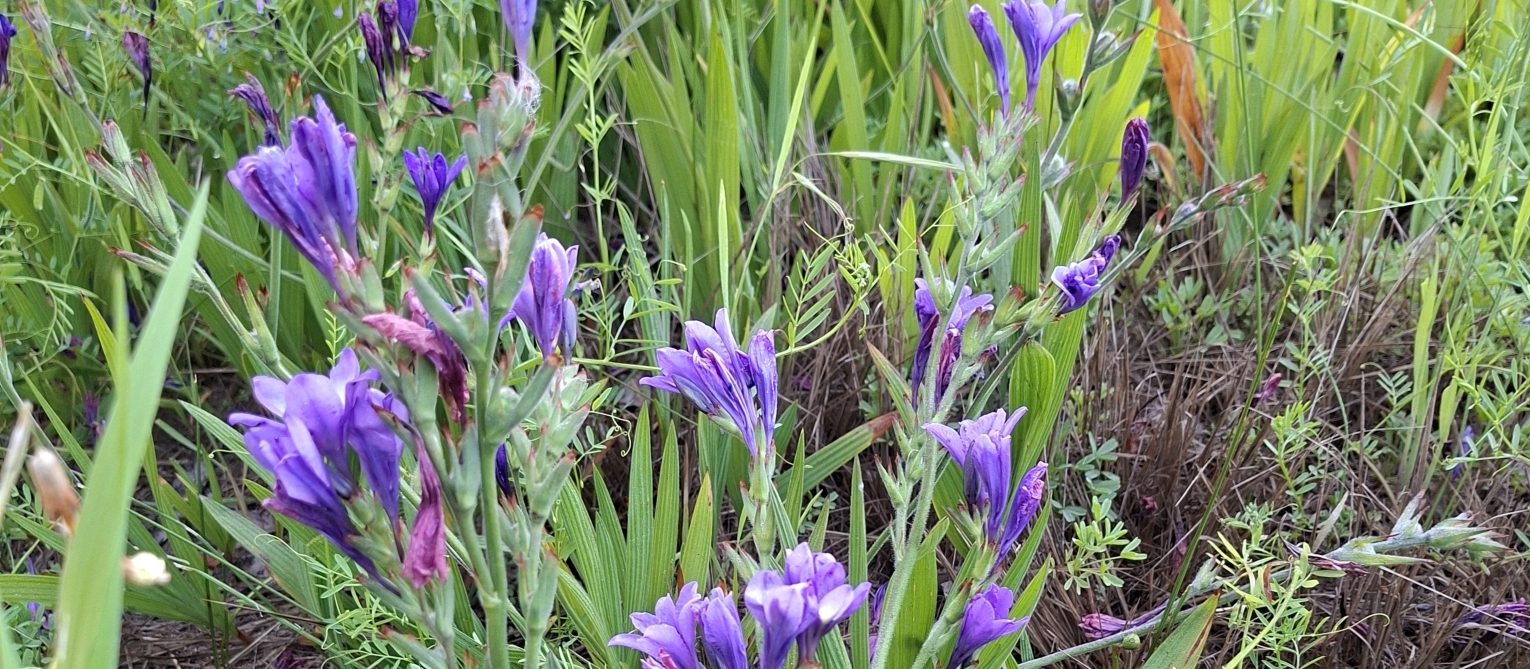
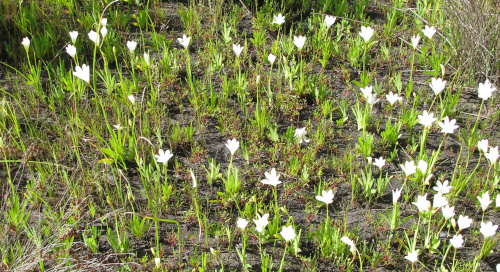
Hesperantha (Hesperantha falcata) is a South African corm (similar to a bulb) species that has become a significant weed in bushland ecosystems across the Swan Coastal Plain and Perth Hills. Control is challenging, as herbicide effectiveness is limited by the plant’s size and leaf surface area, as well as the sensitivity of the environments it invades.

Hesperantha starts growing in early winter, flowers in early spring and dies back over summer. At the onset of the growing season, hesperantha draws on stored resources in the parent corm formed the previous year to produce leaves and flowers. As these reserves are depleted, the plant begins producing a daughter corms. These enable persistence into the following season.

Timing is critical for effective herbicide control. It is best to apply herbicide when the parent corm has just shrivelled, and the daughter corm is still developing. If applied too early, the parent corm might still have enough resources to survive herbicide application. If applied too late, the plant may have already produced a daughter corm, that is unlikely to be affected by treatment.
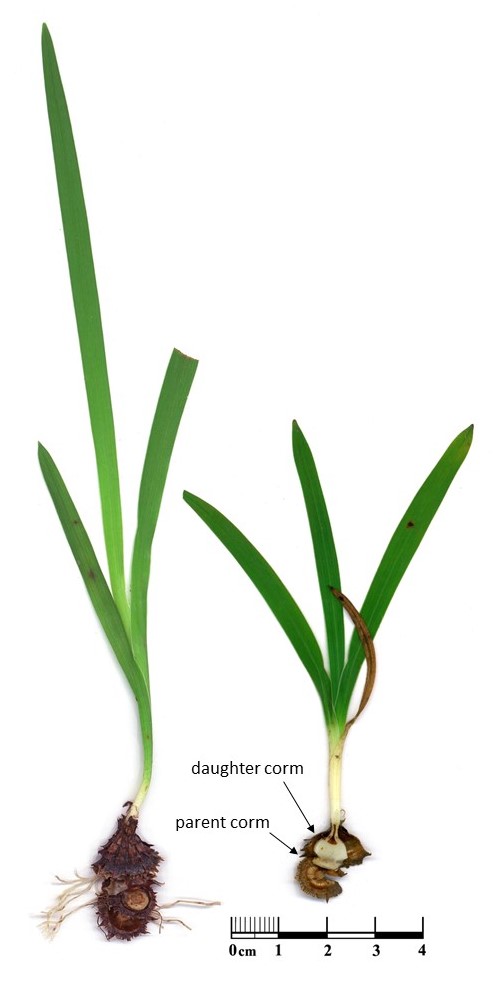
Hesperantha falcata has characteristically shaped corms that look like upturned teacups that easily tell them apart from other species like freesias or Sparaxis spp.
Hesperantha corm dissection

What was Tried

In 2011, DBCA Swan Region conducted a 3 year herbicide trial comparing two herbicides to determine the optimum timing and best herbicide rate to kill both mature (>5cm, three leaves) and juvenile plants (<5cm, 1 leaf).  Trial design was a randomized block design with five replicates of 1x1m plots across a dense infestation. 

Herbicide trial

Two different herbicides were applied with an adjuvant added (Pulse at 2.5mL/L)

  1.  Metsulfuron methyl (600g/kg) at 0.2g/15L 
  2.  2-2DPA (740g/kg) at two rates: 5g/L and 10g/L

Timing of herbicide application

Over a period of weeks, the team inspected the corms of mature plants in the area to find the timing window parent corm exhaustion but before daughter corms fully developed.  The optimal time for spraying was found to be late July/early August, before flowering so a successful program will rely on familiarity with recognising hesperantha before flowers are produced.
 

What was the outcome

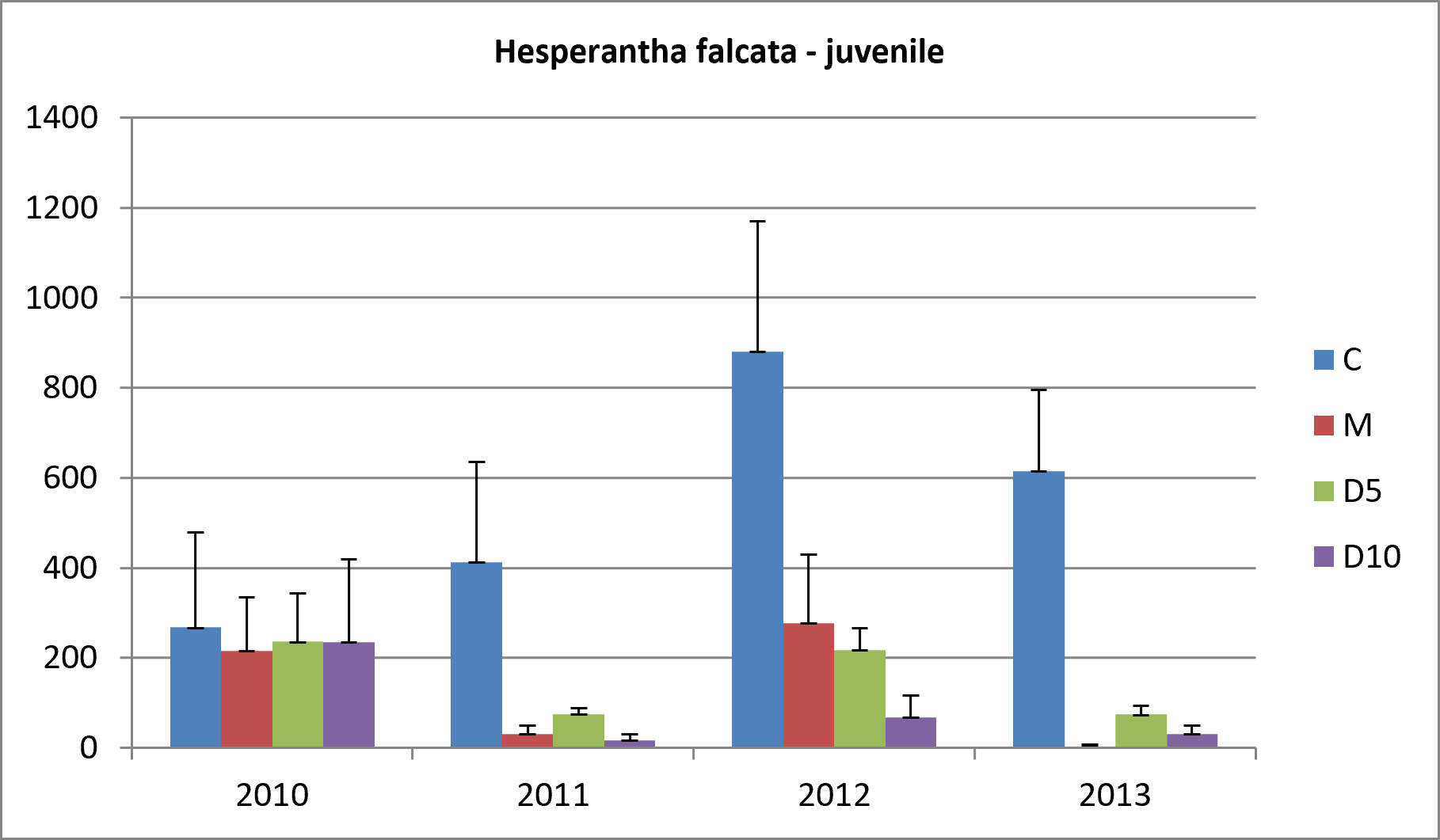
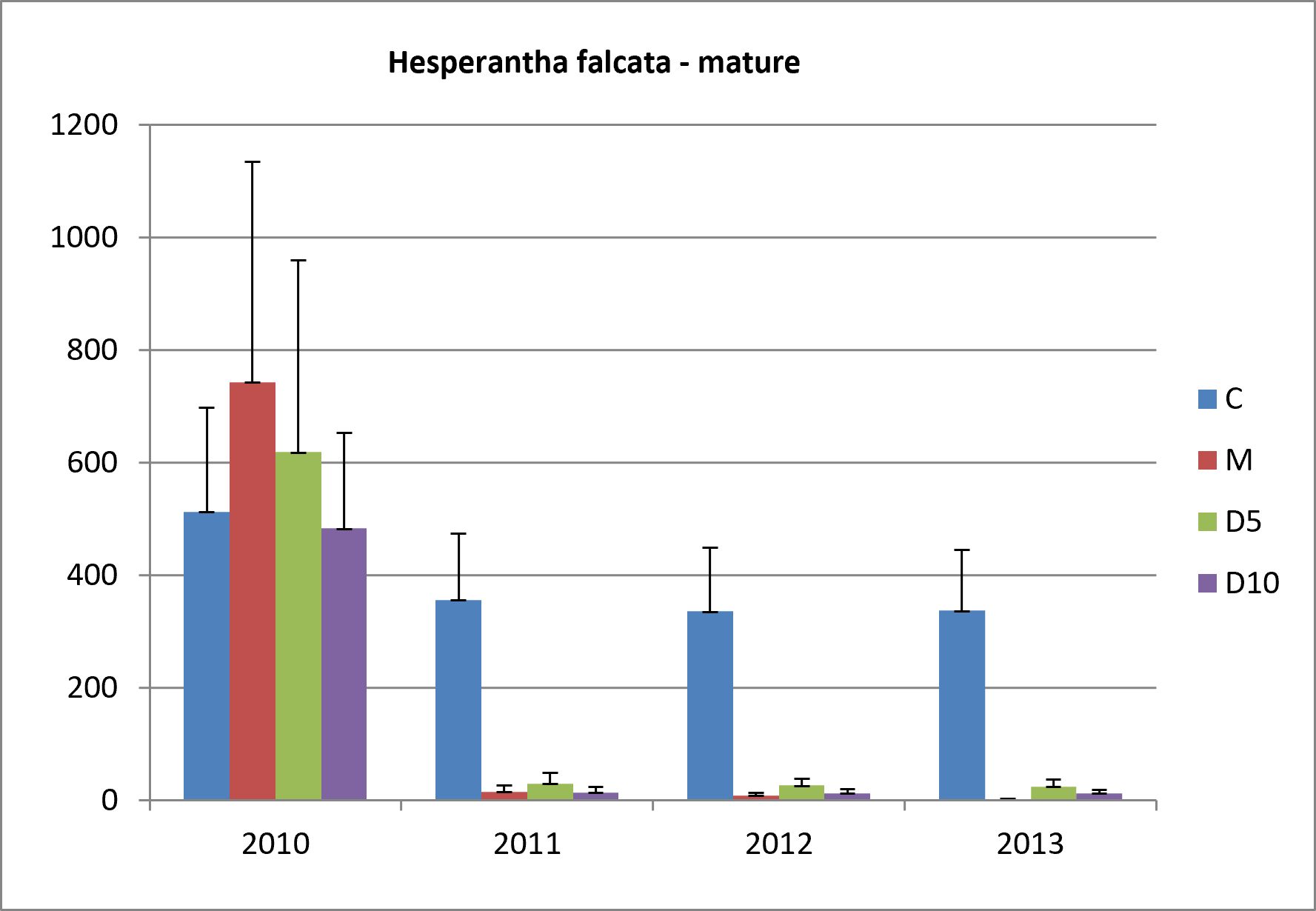
Metsulfuron and 2-2DPA at both rates were found to be equally effective at controlling mature plants.  2-2DPA at 10g/L was the most effective at controlling small or juvenile plants.  

Average number of mature hesperantha plants in control (C) and treatment plots using Metsulfuron methyl (M) and 2-2DPA at two rates 5g/L (D5) and 10g/l (D10)
Average number of juvenile plants in control (C) and treatment plots; metsulfuron methyl (M) and 2-2DPA at rates 5g/L (D5) and 10g/L (D10)
Average number of juvenile hesperantha plants in control (C) and treatment plots using Metsulfuron methyl (M) and 2-2DPA at two rates 5g/L (D5) and 10g/l (D10)
Average number of juvenile plants in control (C) and treatment plots; metsulfuron methyl (M) and 2-2DPA at rates 5g/L (D5) and 10g/L (D10)


Timing of the control is very important and it needs to be done just on the corm exhaustion (late July/beginning of August). The emergence of seedlings was noted at every monitoring event indicating there is high germination of seeds. Therefore follow up control for at least five years is recommended

References

DBCA (2020). Hesperantha falcata another invasive species from the iris family. In Bushland News Spring Edition

Case studies


Get involved

Western Australian bushland needs your help. Volunteers play a vital role in identifying, monitoring and removing invasive weeds across the state. Whether you are a landowner, bushwalker or community group, there are practical ways to make a difference.

Find volunteering opportunities

Acknowledgement of Country

The Government of Western Australia acknowledges the traditional owners throughout Western Australia and their continuing connection to the land, waters and community. We pay our respects to all members of the Aboriginal communities and their cultures; and to Elders both past and present.