
Get Involved

How you can make a difference

There is a role for everyone in protecting our state's extraordinary environment.

Image
get_involve_img

Get Involved

Weeds do far more damage than simply making a garden look untidy. Because our environment is deeply interconnected, a problem in one area quickly affects others.

In Western Australia, weeds are responsible for:

  • Crowding out native plants, reducing the food and shelter available to local wildlife;
  • Changing how fires behave, making them more frequent and more intense;
  • Lowering biodiversity, as hardy weed species take over habitat that native species depend on;
  • Threatening native animals, as the ecosystems they rely on are altered or destroyed;
  • Harming agriculture, reducing productivity and increasing management costs for landholders; and
  • Damaging tourism and cultural sites, including places of significance to Aboriginal communities.

The good news is that early detection makes weeds far easier to control and that is where you come in! Read further to learn the many ways that you can help.
1. Report weeds and suspect species

Have you seen something unusual and are not sure what it is? Check our list of identification resources. If you suspect it is a weed, take a photo and upload it to My Pest Guide via their app or website, and they will identify the species and alert you. Any species of concern is automatically flagged and assessed by a DPIRD biosecurity officer who will determine the appropriate response.

You can also submit a report to the Pest and Disease Information Service (PaDIS).

Did you know?

Polyphagous Shot-hole Borer (PSHB) was first discovered through a My Pest Guide report made by a member of the public!

2. Garden responsibly—plant local species

The best plants for your garden are those which naturally occur in your area. Be cautious: a plant labelled "Australian native" is not necessarily native to WA—some native plants from eastern Australia are weeds here in WA.

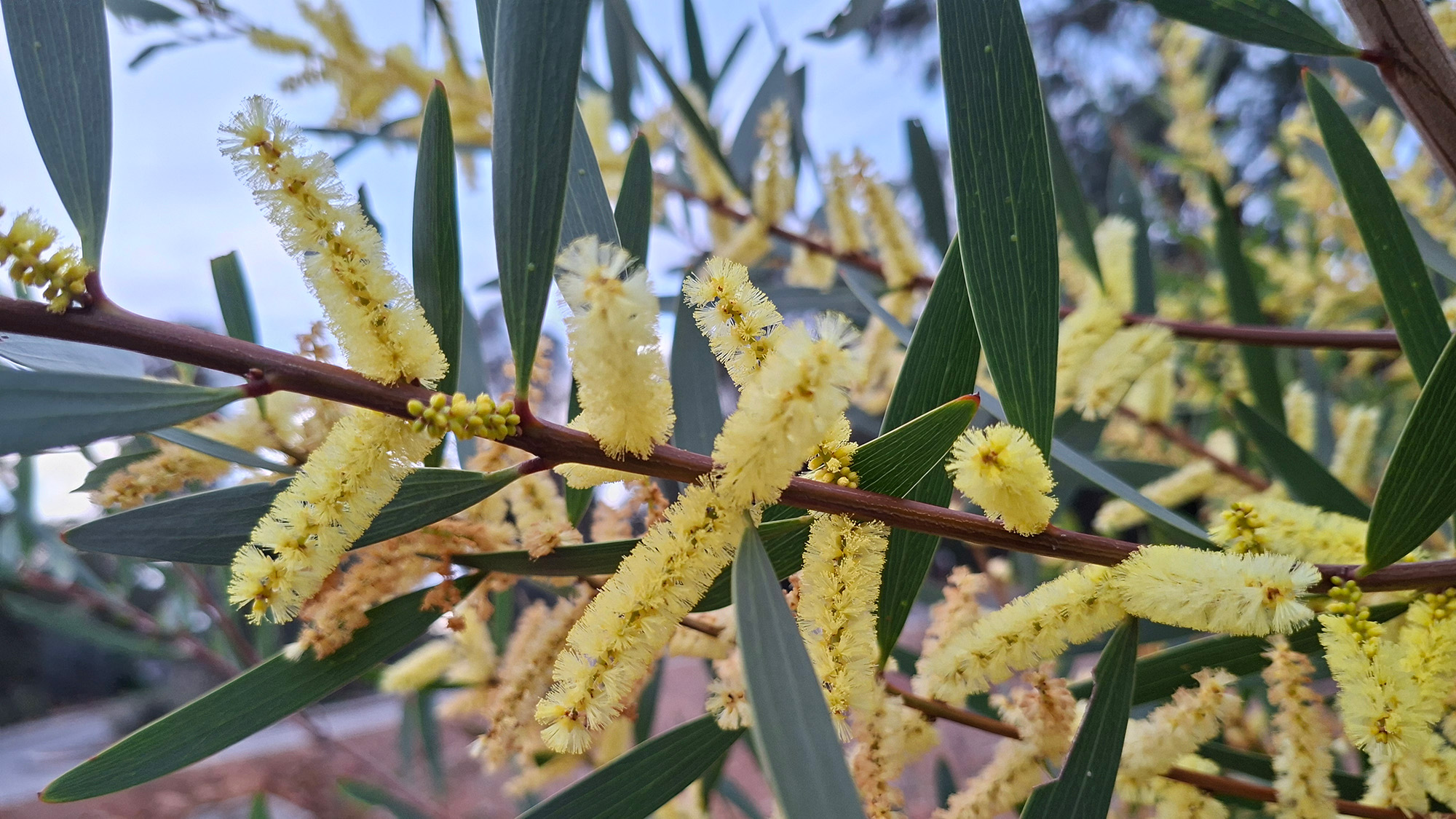
For example, the Sydney Golden Wattle (Acacia longifolia subsp. longifolia) was once planted widely in gardens but has since naturalised in Western Australia, becoming a significant environmental weed in our bushlands.

Sydney golden wattle branch with flowers and leaves.
Sydney Golden Wattle

Some things to remember!

  • Check the plant tag and chat to nursery staff to check whether a plant is from Western Australia, preferably your local area (e.g. Swan Coastal Plain, Darling Range).
  • Visit a local nursery, such as Apace, and ask for advice.
  • Be especially cautious when planting near bushland or waterways.
  • Coming soon: DBCA list of nursery plants to avoid!

3. Learn to recognise key weeds

Australia currently recognises 32 Weeds of National Significance (WoNS), alongside Environmental Weeds, Priority Weeds and Agricultural Weeds. Being able to identify and report these weeds assists in early detection and effective management.

See our Declared Weeds & WoNS page for more information about WA's worst weeds.

There are also apps, websites, courses and publications to help you build identification skills. The more people who can spot weeds of importance, the faster we can act.

See our Identify a weed page for helpful identification ressources.

4. Volunteer to protect bushland

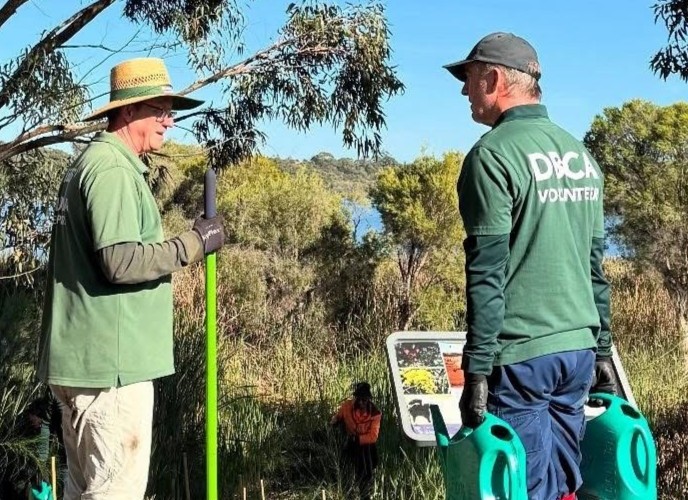
Joining a volunteer group is one of the most impactful ways to directly protect our environment. Friends-of groups and similar organisations donate their time to care for local bushland and reserves through activities including:

  • Planting and watering
  • Hand-weeding
  • Guided bush walks
  • Community engagement and open days

Find your local group via the DBCA volunteering page or the Urban Bushland Council's volunteering guide.

5. Spread the word

One of the easiest ways to help is simply talking about it. Sharing the beauty of our state and the threats it faces builds awareness and encourages others to act alongside you.

6. Stay informed

Keeping up with current regulations on plant species restrictions and bans can make a real difference in stopping new weed threats from becoming established. Regularly check or follow DBCA and DPIRD on social media for any major updates and alerts. 

Also keep in touch with your local NRM groups and Friends-of groups.


Your help, no matter how big or small, protects our unique environment so we can ensure all inhabitants have a home and future within Western Australia.


Get involved

Western Australian bushland needs your help. Volunteers play a vital role in identifying, monitoring and removing invasive weeds across the state. Whether you are a landowner, bushwalker or community group, there are practical ways to make a difference.

Find volunteering opportunities

Acknowledgement of Country

The Government of Western Australia acknowledges the traditional owners throughout Western Australia and their continuing connection to the land, waters and community. We pay our respects to all members of the Aboriginal communities and their cultures; and to Elders both past and present.