Other Common Names: Wavy-leaf fleabane, Argentine fleabane, hairy horseweed, asthma weed and hairy fleabane.
Synonyms: Conyza bonariensis.
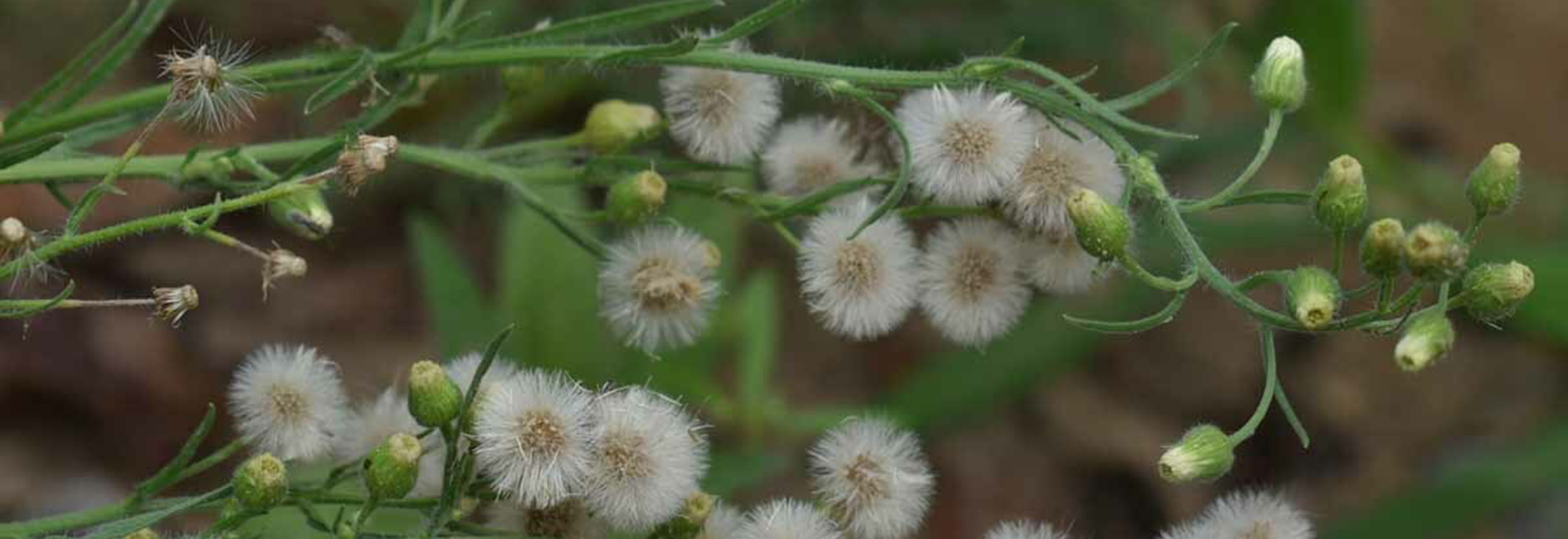

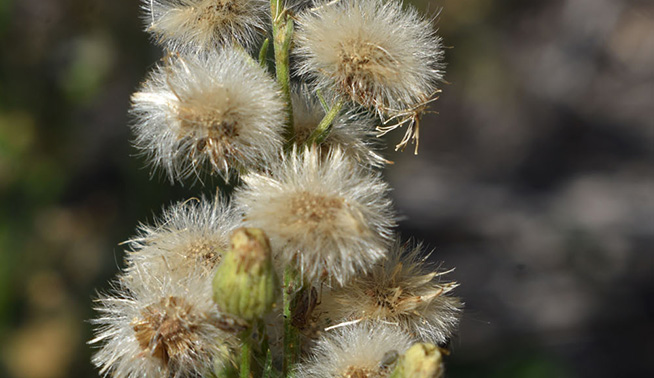
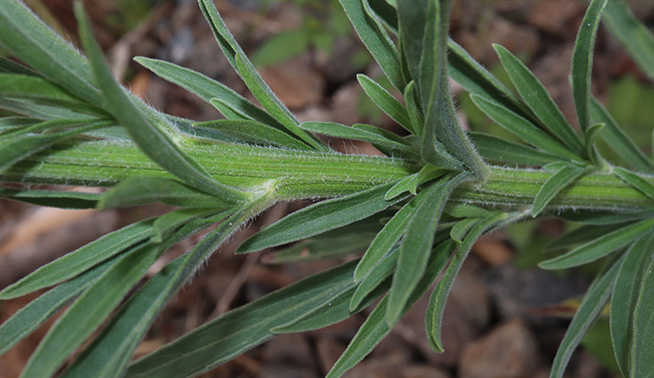
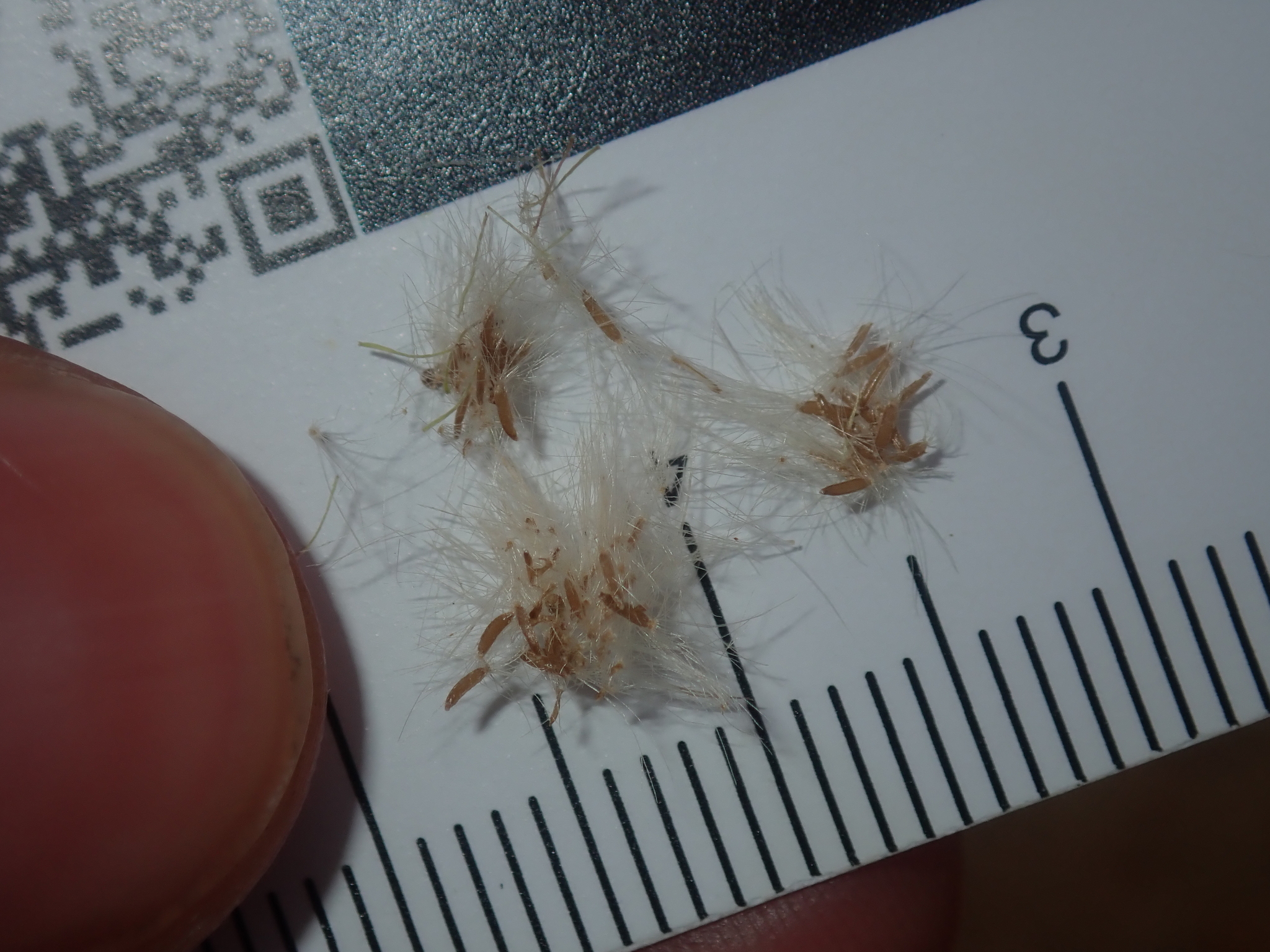
Erigeron bonariensis


Hand pulling after stem elongation is effective on loose soils but on heavier soils a weed fork is required to prevent the plant breaking and regrowing from the base.
Mechanical removal methods like mowing or slashing are not effective because it only removes the top growth, allowing the plants to regrow from the roots.
For actively growing plants, apply a 1% w/v glyphosate (360g/L) mix, using either a foliar application method or using a wick application/wiping method and wiping the stems of the plants with the mix.
For the most effective treatment option, use a ’double knock approach’ which involves spraying again a few days after the initial treatment. After the glyphosate treatment, apply a follow-up spray of 1L paraquat 360g/L with 100L of water using a foliar application method, 7 days after the initial treatment.
Revegetation of area surrounding the infestation by planting native perennial species to increase ground cover and shade will help reduce reinfestation by creating conditions that supress the weed growth while also improving soil health and stability.
The rust fungus, Puccinia cnici-olerace, which is native to South America, is being assessed by CSIRO as a potential agent for biocontrol for the target plants. This fungus only infects flaxleaf fleabane. Release trials are expected to start in 2027 and may be able to reduce flowering by 50 to 60%
LSID number: [6986247] | full LSID: [https:/id.biodiversity.org.au/node/apni/6986247] | field_lsid: [] | taxon: [Erigeron bonariensis]
ALA Reference
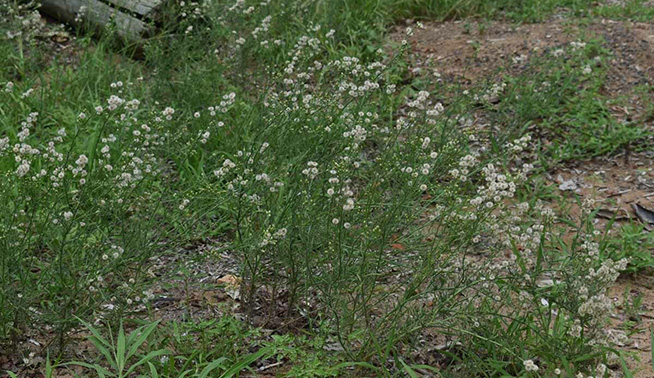
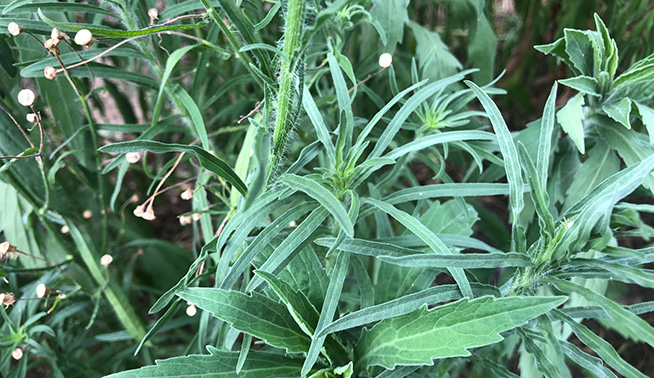
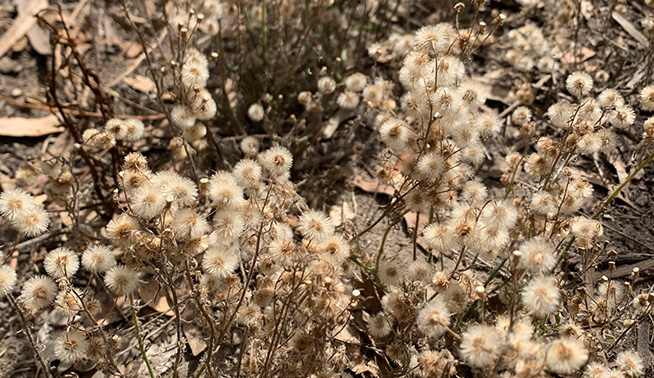
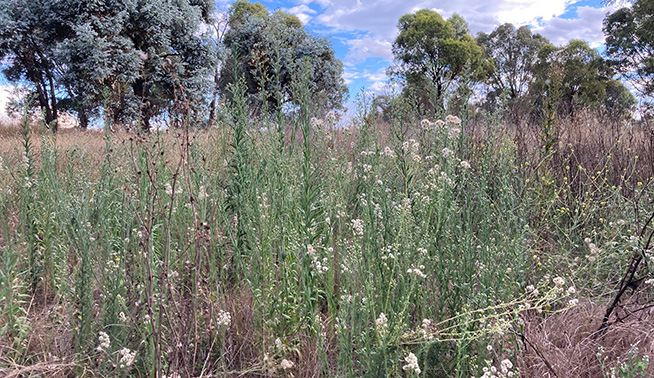
 Atlas of Living Australia. (n.d.)
Erigeron bonariensis L. Atlas of Living Australia.
Department of Primary Industries and Regional Development. (2024)
Fleabane and its management (Factsheet DPIRD‑79)
Moore, J., & Wheeler, J. (2008)
Southern weeds and their control. Department of Agriculture and Food, Western Australia.
NSW Government. (n.d.)
Fleabane (Conyza species). NSW WeedWise.
Pethybridge, K. (2005).
Conyza bonariensis. International Environmental Weed Foundation.
Urban Bushland Council WA. (n.d.)
Smooth Fleabane or Fleabane. Urban Bushland Council WA
VicFlora. (n.d.)
Erigeron bonariensis L. Flaxleaf Fleabane. VicFlora Flora of Victoria.
Weeds of Melbourne. (2018, November 27
Flax-leaf Fleabane (Erigeron bonariensis) Weeds of Melbourne.
WeedScan. (n.d.)
Flax-leaved fleabane. WeedScan
Atlas of Living Australia. (n.d.)
Erigeron bonariensis L. Atlas of Living Australia.
Department of Primary Industries and Regional Development. (2024)
Fleabane and its management (Factsheet DPIRD‑79)
Moore, J., & Wheeler, J. (2008)
Southern weeds and their control. Department of Agriculture and Food, Western Australia.
NSW Government. (n.d.)
Fleabane (Conyza species). NSW WeedWise.
Pethybridge, K. (2005).
Conyza bonariensis. International Environmental Weed Foundation.
Urban Bushland Council WA. (n.d.)
Smooth Fleabane or Fleabane. Urban Bushland Council WA
VicFlora. (n.d.)
Erigeron bonariensis L. Flaxleaf Fleabane. VicFlora Flora of Victoria.
Weeds of Melbourne. (2018, November 27
Flax-leaf Fleabane (Erigeron bonariensis) Weeds of Melbourne.
WeedScan. (n.d.)
Flax-leaved fleabane. WeedScan
| JAN | FEB | MAR | APR | MAY | JUN | JUL | AUG | SEP | OCT | NOV | DEC | Notes | |
|---|---|---|---|---|---|---|---|---|---|---|---|---|---|
| Germination | |||||||||||||
| Flowering | |||||||||||||
| Fruiting | |||||||||||||
| Active Growth |
| JAN | FEB | MAR | APR | MAY | JUN | JUL | AUG | SEP | OCT | NOV | DEC | Notes | |
|---|---|---|---|---|---|---|---|---|---|---|---|---|---|
| Hand removal | |||||||||||||
| Foliar spray |


 Permit PER96642 for triclopyr