Other Common Names: Cape tulip, one leaved cape tulip.
Synonyms: Homeria flaccida.
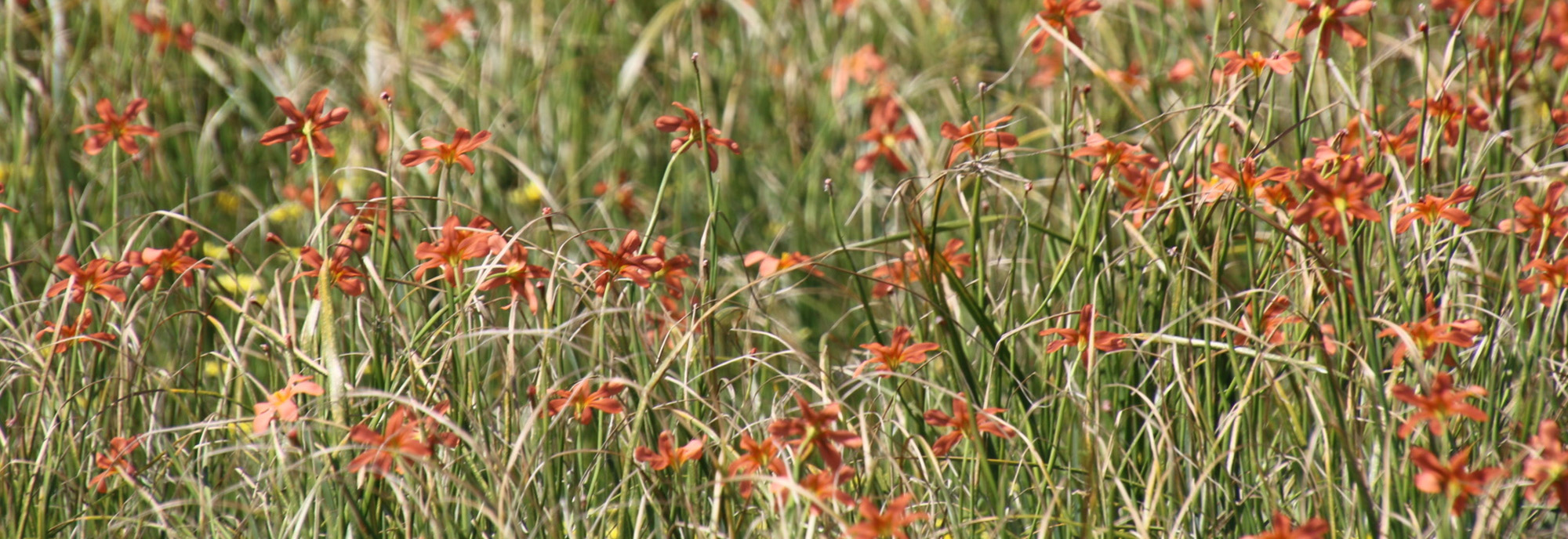

Moraea flaccida


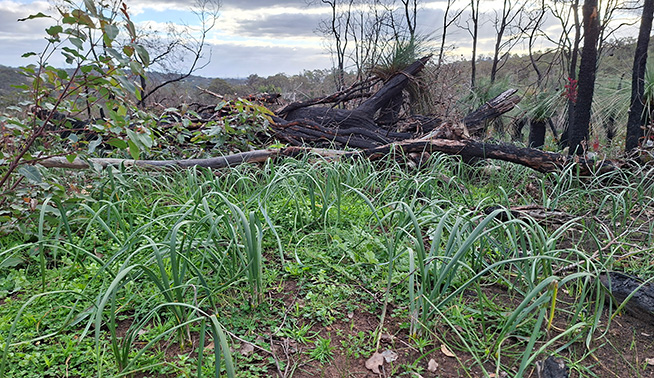
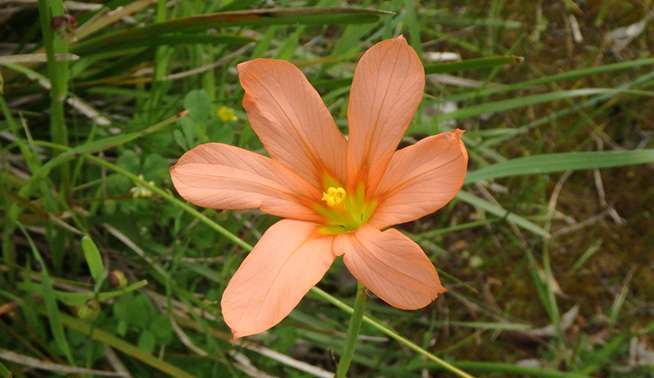
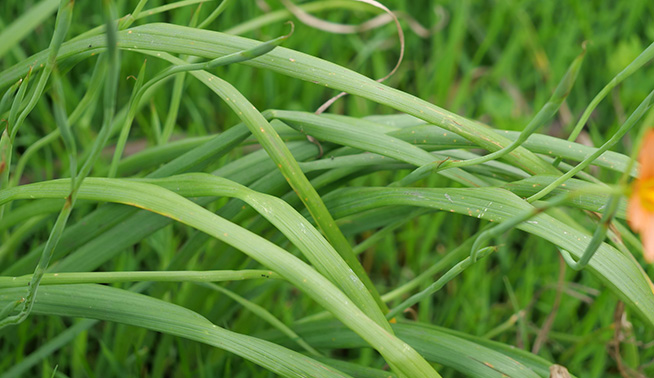
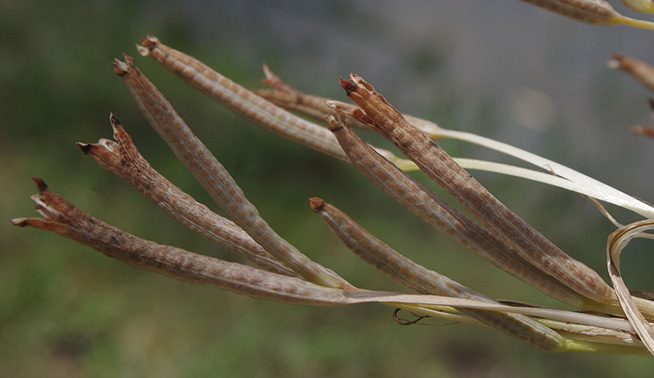
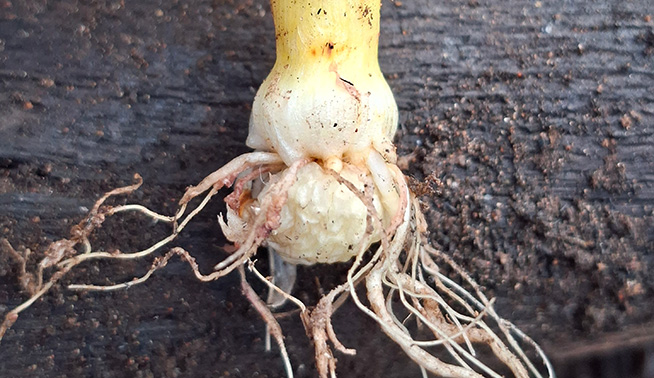
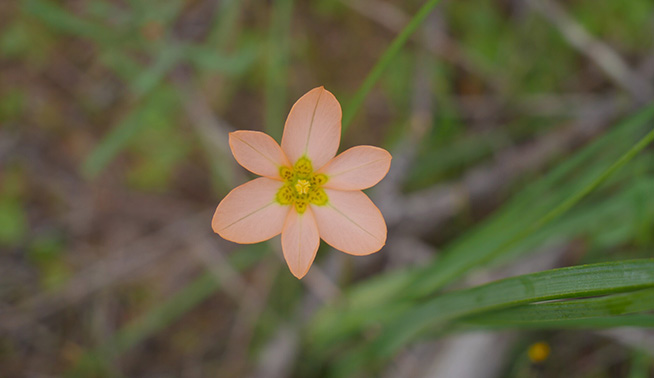
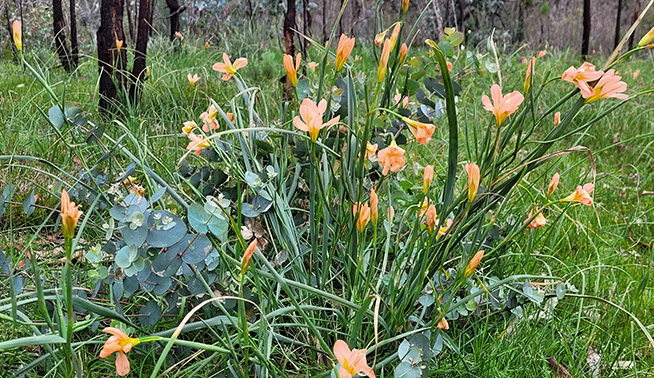
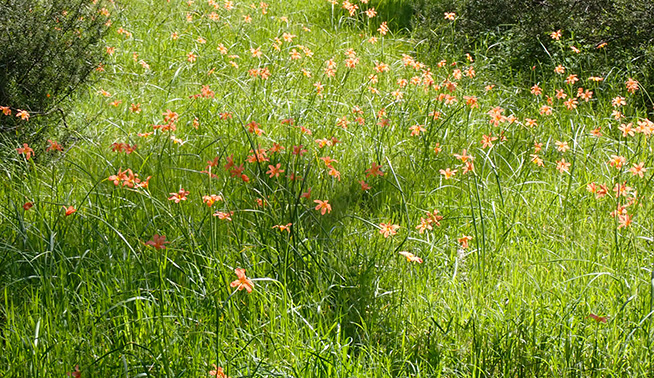
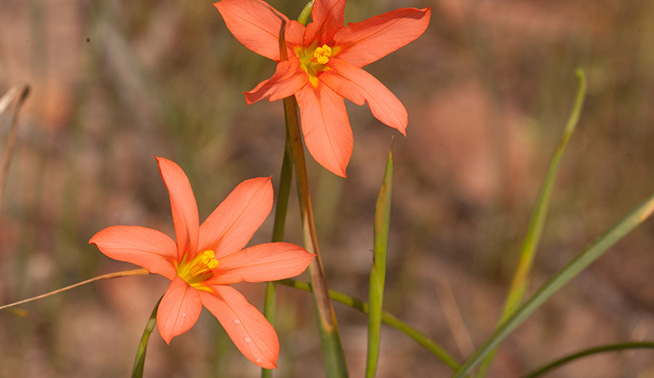
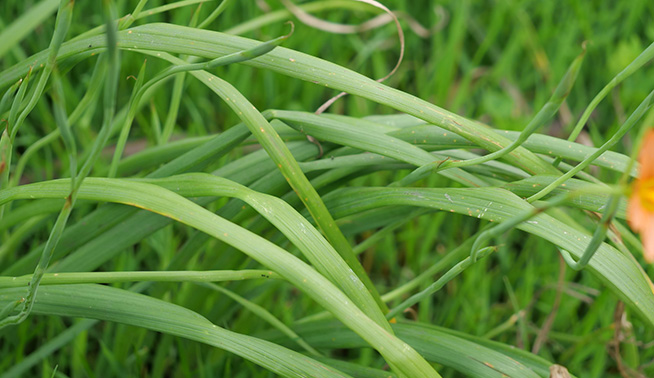
Similar non-native species: There are several species of Moraea in WA, all weeds from southern Africa. One leaf cape tulip is most similar to two-leaf Cape tulip (Moraea miniata) however can be distinguished by having two or three large leaves and salmon pink or orange flowers with broader petals and produces cormils in leaf axils.
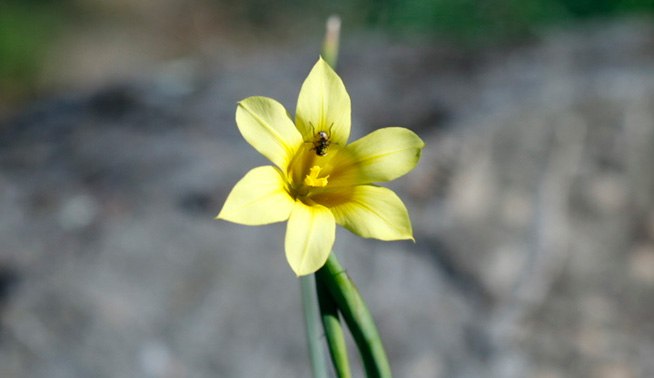
There is a yellow flowering Cape tulip (Moraea ochroleuca) which has broader petals and leaves. Moraea can hybridise and therefore separating into species can be difficult.
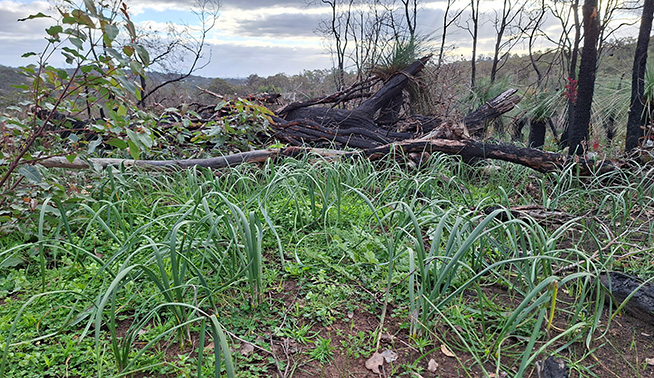
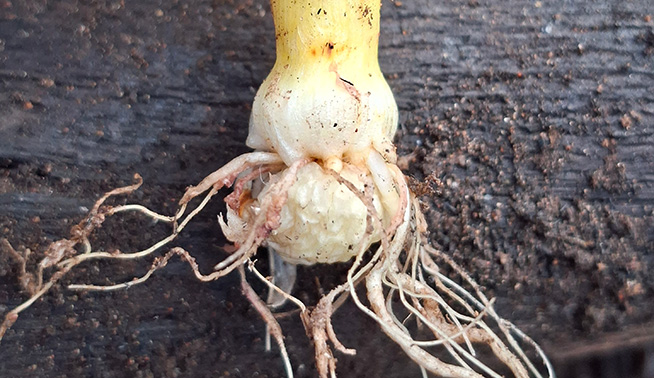
Plants can be removed by grubbing using tools like a trowel or mattock and make sure to remove the surrounding to capture any seed. After removal the seeds and corms should be destroyed by burning, or deep burial. Physical/mechanical control is difficult due to the dormancy of seeds and corms.
For small infestations spot spray with the following selective herbicides:
Timing is important as spraying is most effective on parent corm exhaustion (late July, early August). Adding a penetrant like Pulse is highly recommended. Glyphosate (450g/L) may also be used at 1% w/v but this will affect surrounding plants and should only be considered if the selective herbicdes are not available or when cape tulip is a dense infestation. A wick wiper may be more effective in controlling cape tulip with minimal off target damage.
For larger infestations:
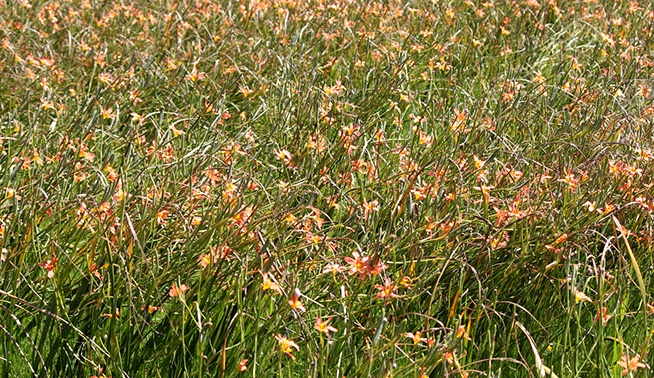
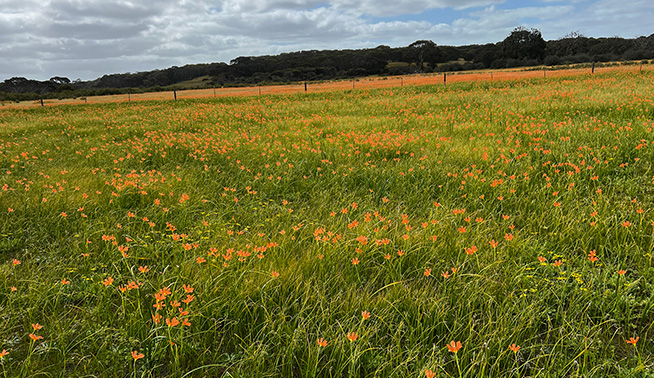
Can be applied using a handheld spray hose or boom sprayer. Some regional biosecurity groups also have tractor-mounted wick wipers available for landholders to treat cape tulip over larger areas (see Further Reading).
LSID number: [2894669] | full LSID: [https:/id.biodiversity.org.au/node/apni/2894669] | field_lsid: [] | taxon: [Stenotaphrum+secundatum]
ALA Reference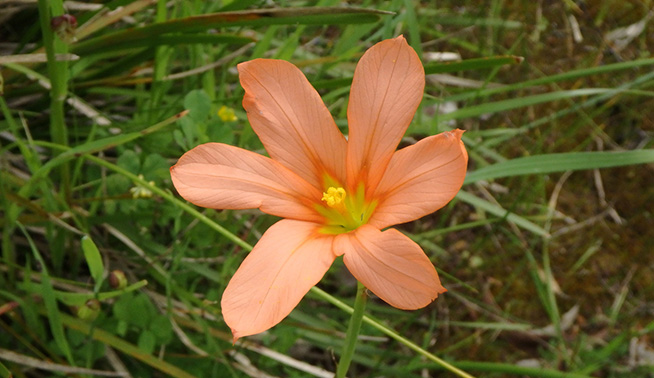
 Agriculture Victoria. (2026, February 23)
Cape tulip (one-leaf). Agriculture Victoria.
Atlas of Living Australia. (n.d.).
Moraea flaccida (Sweet) Steud. Atlas of Living Australia.
Moore, J., & Wheeler, J. (2008).
Southern weeds and their control. Department of Agriculture and Food, Western Australia
NSW WeedWise. (n.d.)
Cape tulip - one leaf (Moraea flaccida). NSW WeedWise.
Weeds of Australia. (n.d.).
Moraea flaccida (Sweet) Steud. Weeds of Australia.
WeedsAustralia. (2019, March)
Cape Tulip, One-leaf Cape Tulip. WeedsAustralia.
Western Australian Herbarium (1998–).
Florabase—the Western Australian flora. Department of Biodiversity, Conservation and Attractions.
Agriculture Victoria. (2026, February 23)
Cape tulip (one-leaf). Agriculture Victoria.
Atlas of Living Australia. (n.d.).
Moraea flaccida (Sweet) Steud. Atlas of Living Australia.
Moore, J., & Wheeler, J. (2008).
Southern weeds and their control. Department of Agriculture and Food, Western Australia
NSW WeedWise. (n.d.)
Cape tulip - one leaf (Moraea flaccida). NSW WeedWise.
Weeds of Australia. (n.d.).
Moraea flaccida (Sweet) Steud. Weeds of Australia.
WeedsAustralia. (2019, March)
Cape Tulip, One-leaf Cape Tulip. WeedsAustralia.
Western Australian Herbarium (1998–).
Florabase—the Western Australian flora. Department of Biodiversity, Conservation and Attractions.
| JAN | FEB | MAR | APR | MAY | JUN | JUL | AUG | SEP | OCT | NOV | DEC | Notes | |
|---|---|---|---|---|---|---|---|---|---|---|---|---|---|
| Germination | |||||||||||||
| Active growth | |||||||||||||
| Flowering | |||||||||||||
| Fruiting | |||||||||||||
| Dormant |
| JAN | FEB | MAR | APR | MAY | JUN | JUL | AUG | SEP | OCT | NOV | DEC | Notes | |
|---|---|---|---|---|---|---|---|---|---|---|---|---|---|
| Physical | |||||||||||||
| Chemical |


 Permit PER93063 for chlorsulfuron