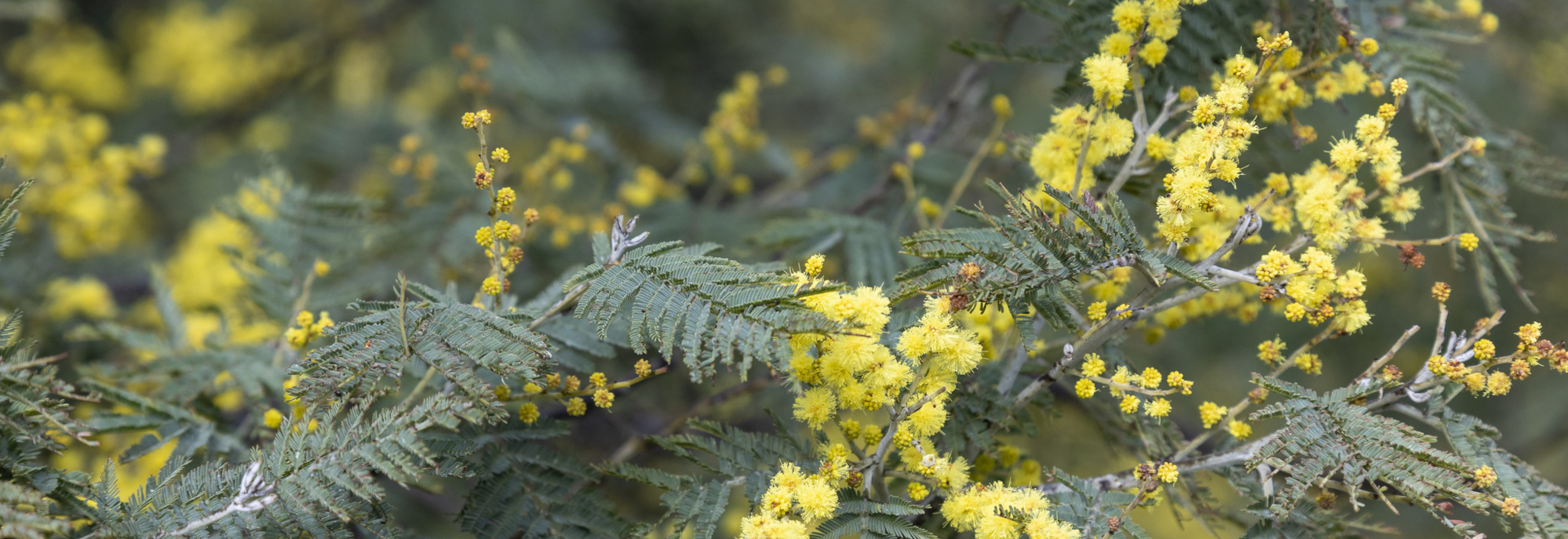

Silver wattle is native to eastern Australia, introduced as a garden plant and escaped cultivation to be become a weed in southern Western Australia. A prolific seeder, it invades native bushland by spreading in water, through birds ingesting seed, seed transported by ants, propagules attaching to animals fur or feathers, soil movement and garden refuse. It also reproduces readily from root suckers.
Silver Wattle
Acacia dealbata
Quick facts

Origin
south eastern Australia

Growth form
Small tree

Life cycle
Perennial

Weed Status
Permitted s11

Seedbank
5 years

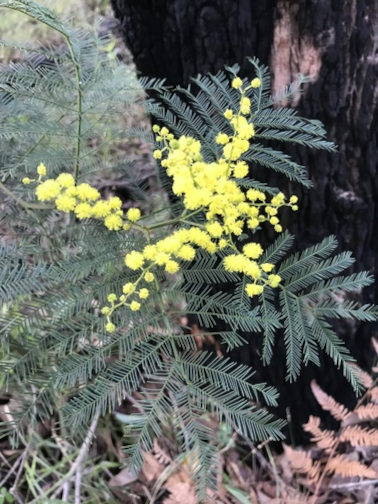
Flower
Yellow

Dispersal
Wind
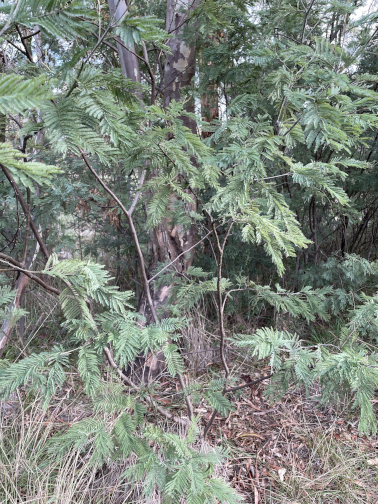
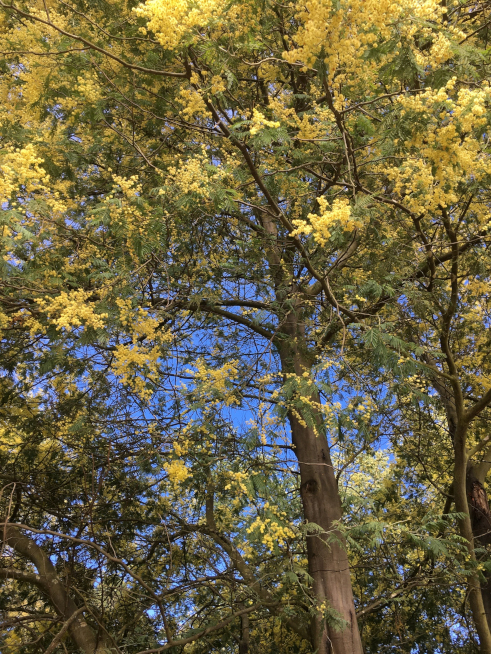
Form and function

Habitat requirements
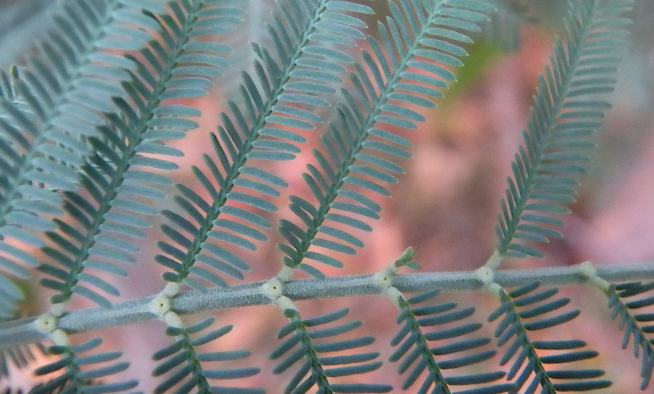
Leaves
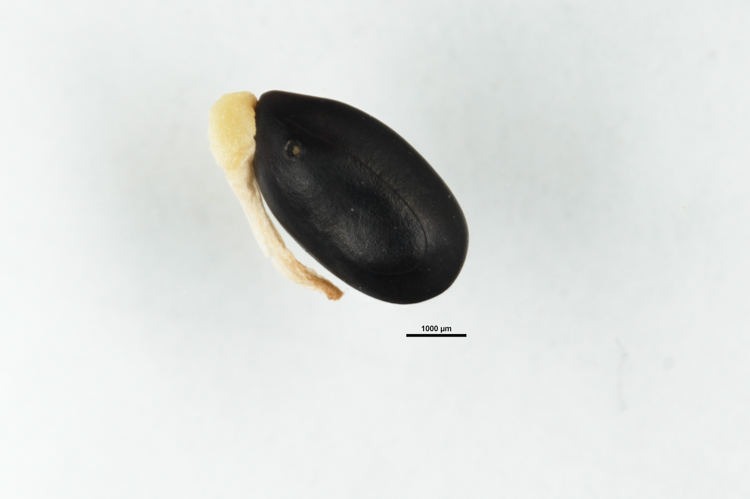
Flowers and seeds
Impact
How to control


Physical / Mechanical
For smaller, light infestations of seedlings hand weeding is suitable. Small shrubs/trees can be hand pulled, ensuring removal of the taproot.
For older plants, ringbarking can be done by stripping away at least 10cm all the way around the trunk, ensuring that the strip is deep enough.
For larger saplings and mature trees, removal by felling followed by chemical treatment.
Following the removal of large trees by felling and/or chemical treatment, should be followed by hand pulling the flush of seedlings that are likely to appear.
Chemical
For mature trees, apply a mix of 30g of picloram (120g/L) and 60g of tricloclopyr (240g/L) with 15L of diesel to the basal 50cm of the trunk using a sprayer.
For mature trees, stem injection by using a drill and fill method which involves drilling holes at intervals around the circumference of the tree into which a strong (50%) glyphosate (540g/L) is injected into the tree.
Foliar herbicide application is not recommended due to the thick waxy leaf cuticles.
Cultural / Managerial
In large dense stands a hot fire may be used to kill old trees and encourage seed to germinate so they may be controlled by herbicides or manually. However, avoid further burning once this has been done or denuding the area as this will encourage seedling establishment. Monitor the site through regular visits for newly emerging seedlings from the seedbank, recording their occurrence and assessing density and growth stages.
 Permit PER96642 for picloram and tricloclopyr
Weed Distribution Map
LSID number: [51286863] | full LSID: [https://id.biodiversity.org.au/taxon/apni/51286863] | field_lsid: [] | taxon: [Acacia dealbata]
ALA Reference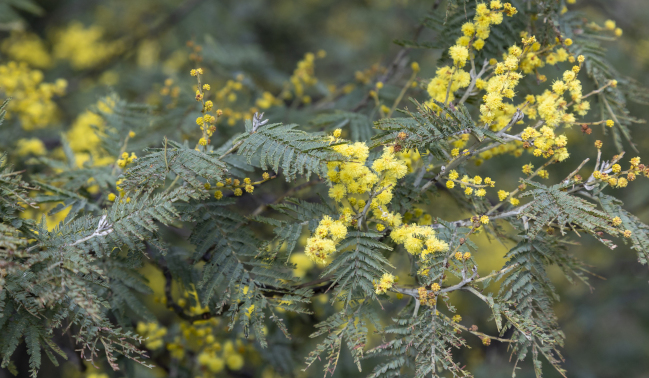
References
-
 Agriculture Victoria (2019)
Silver wattle.
Agriculture Victoria (2019)
Silver wattle.
- Brown, K., & Brooks, K. J. (2003). Bushland weeds: a practical guide to their management With case studies from the Swan Coastal Plain and beyond. Environmental Weeds Action Network.
-
Kodela, P. G. (n.d.).
Factsheet - Acacia dealbata subsp. dealbata. Lucidcentral.
- Moore, J & Wheeler, J (2020) Southern Weeds and their Control. DPIRD Western Australia
-
Patuma, B., & Sheunesu, R. (2025).
Effects of Acacia dealbata Invasion and Removal on Soil and Vegetation in Communal Grasslands in Eastern Cape, South Africa. African Journal of Ecology.
-
PlantNET - FloraOnline (n.d.)
Acacia dealbata.
-
Western Australian Herbarium (1998–)
Florabase—the Western Australian flora. Department of Biodiversity, Conservation and Attractions. (Accessed 9 June 2026).
-
Kodela P.G. & Tindale M.D.
Acacia dealbata, in P.G. Kodela (ed.), Flora of Australia. Australian Biological Resources Study, Department of Climate Change, Energy, the Environment and Water: Canberra. [Date Accessed: 10 July 2026]
Weed lifecycle calendar
| JAN | FEB | MAR | APR | MAY | JUN | JUL | AUG | SEP | OCT | NOV | DEC | Notes | |
|---|---|---|---|---|---|---|---|---|---|---|---|---|---|
| Germination | |||||||||||||
| Flowering |
Lorem ipsum dolor sit amet consectetur adipisicing elit.
|
||||||||||||
| Fruiting |
Regularly or most commonly
Occasionally, given suitable conditions